

Scuba Diving Aurora Reservoir: A First Dive in Cold, Murky Water
Murky water scuba diving in Aurora Reservoir
My first scuba dive after certification wasn’t in clear tropical water—it was in the murky, cold depths of Aurora Reservoir (elevation 5,950 feet). As a new diver, I decided that diving in challenging conditions would help me build confidence and improve my skills. After consulting more experienced divers, I met up with another local diver at a dive shop. We chose 3mm wetsuits, and I added a 1.5mm shirt for extra warmth. The shop also had a map and compass headings to a submerged airplane, giving us a clear objective for the dive.
Once suited up, we entered the water. It was a warm day in the 90s, but the water temperature was noticeably colder—though the 3mm wetsuit proved to be perfect. Shortly after entering, we noticed my O-ring was leaking slightly. Since I had plenty of air, we agreed it was safe to continue, but I made a mental note to check my SPG frequently.
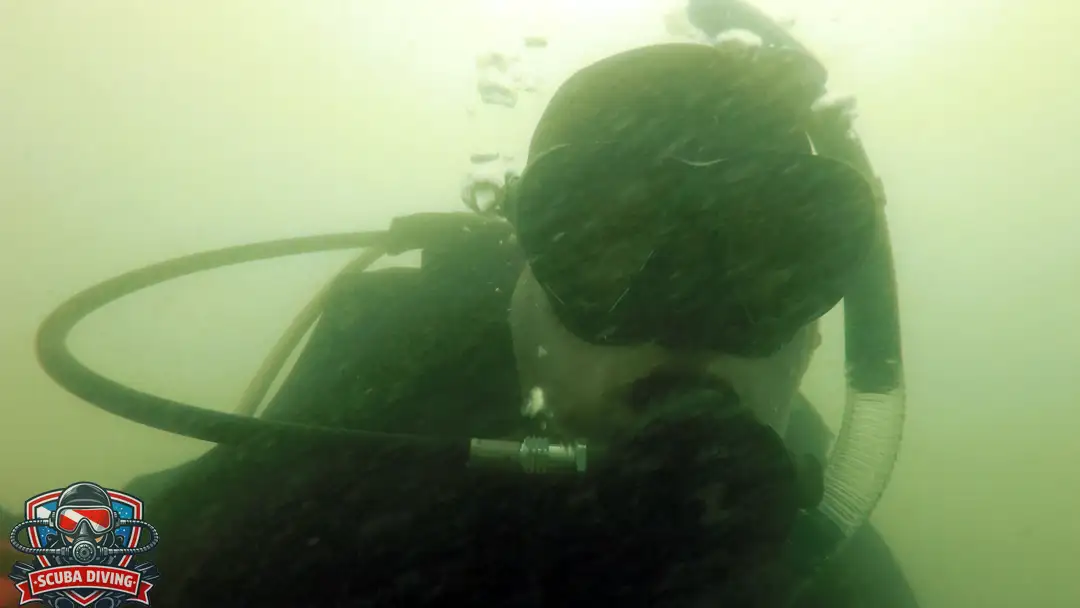
We swam out to a large white buoy and followed the chain downward. Visibility quickly diminished as the algae bloom limited what we could see. As we descended, I was surprised at how quickly my dive partner disappeared into the murky water. I was able to relocate him by following his bubbles, noticing how they appeared smaller when he was farther away and larger as I approached.
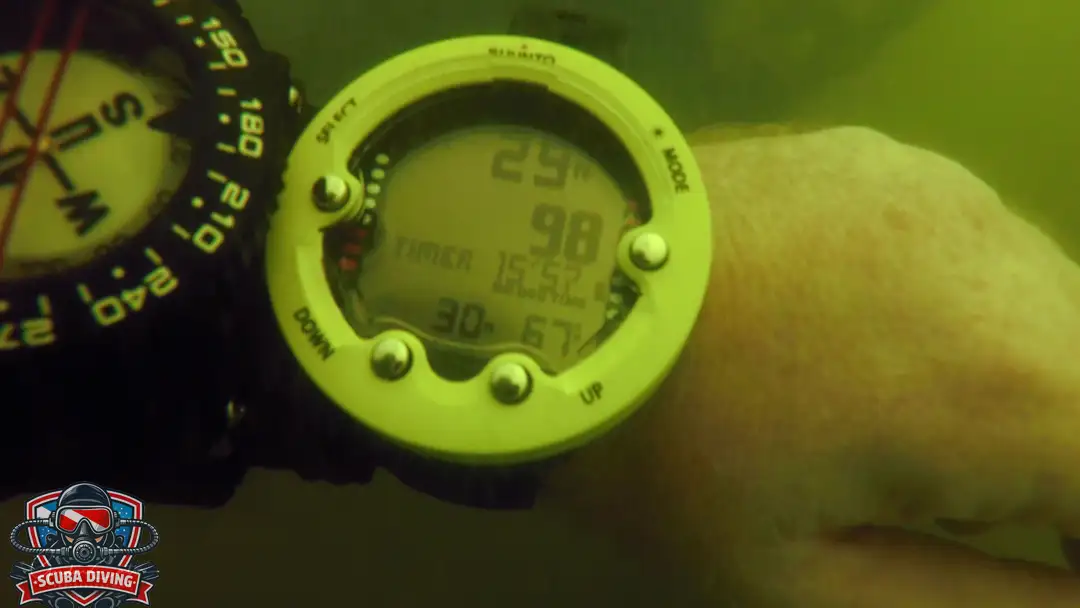
At around 27 feet, we hit the thermocline. The water temperature dropped noticeably. My previous depth record was 22 feet during certification, so I watched my computer closely—25 feet, 30 feet, 32 feet, 34 feet. A new personal record and my first time to experience 2 atmospheres of absolute pressure.
We explored the bottom carefully, avoiding stirring up silt, then surfaced. My dive partner believed he knew where the airplane was, so after checking our SPGs, we descended again. This time, we followed a rope from a cinder block to the submerged airplane. The aircraft was rusted, and without gloves, I avoided touching it. After exploring briefly, we surfaced and set our bearings for shore. Swimming with a compass proved to be an invaluable skill.
With second tanks available, we attempted another dive, but storms began moving in. The water became choppy, and I suddenly experienced a leg cramp. My dive partner remained calm and helped stretch it out, but I was scared. The waves, rain, and cramp made me realize how quickly conditions can change. We aborted the dive and returned to shore.
Although the water was murky and far from tropical, it was the perfect first dive. I learned the importance of monitoring gear, communicating underwater, and staying calm in changing conditions. My dive computer alerted me when I ascended too quickly and guided me through a safety stop. These lessons made the experience invaluable.
It wasn’t crystal-clear water—but it was exactly the dive I needed. I look forward to a few more “murky” dives before heading into the ocean. As it turns out, my first ocean dive was just as murky - read more about that dive at Spanish Reef Rocks. Although these were not crystal clear, tropical waters, I do think it was a great first dive. It forced me to pay attention to what was going on with my gear and to be comfortable in uncertain environments. I also learned more about the importance of communicating underwater and dive planning. My dive computer was a great help as the alarm went off when I ascended too quickly. It also told me to stop at the 10-foot mark and wait for a couple of minutes, then ascend. I really learned a lot on this first dive out and that is what I was hoping to accomplish. I look forward to a few more "murky" dives before heading out into the ocean where diving will hopefully be second nature to me.
Details:
Water Temperature: 67º
Max Depth: 34ft
Dive Number: 5

