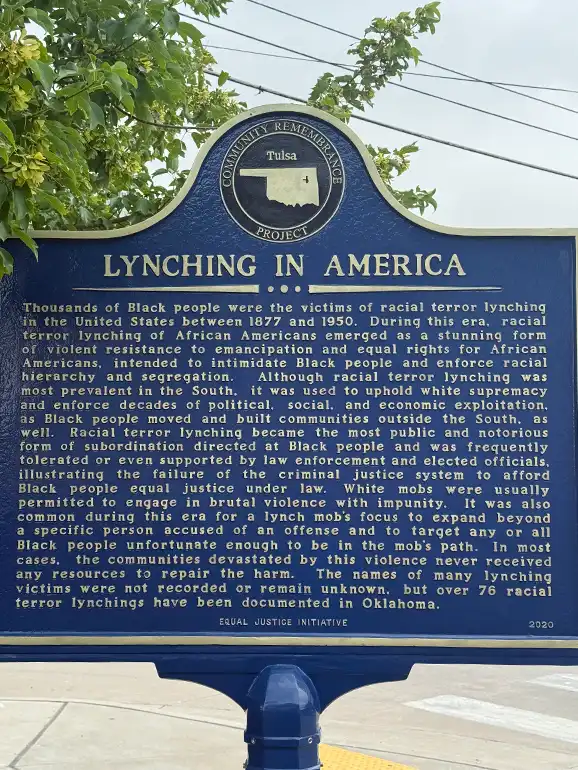
Tulsa
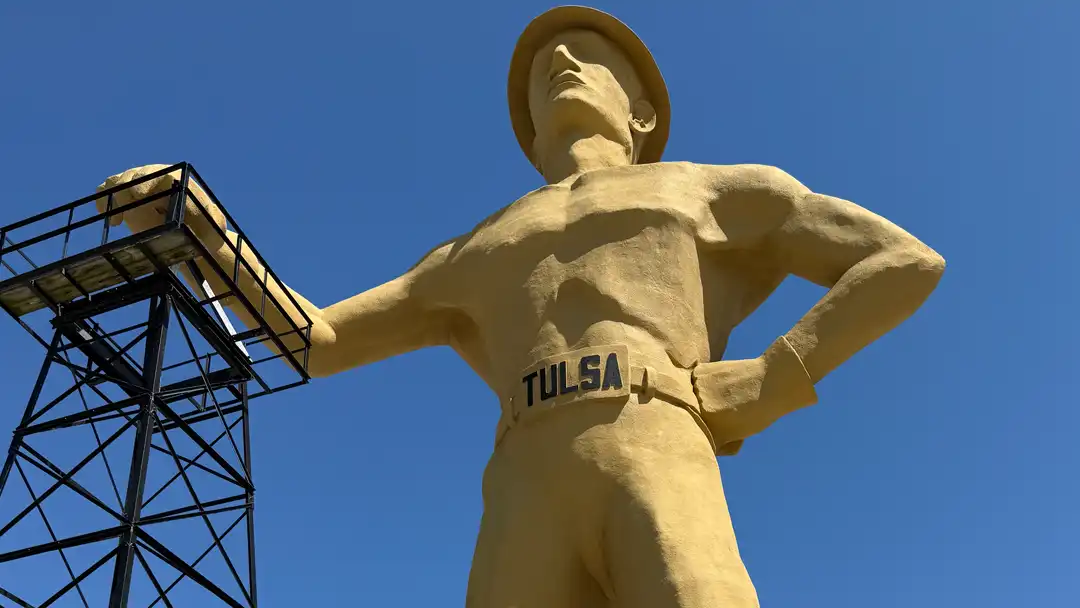
Growing up in Tulsa
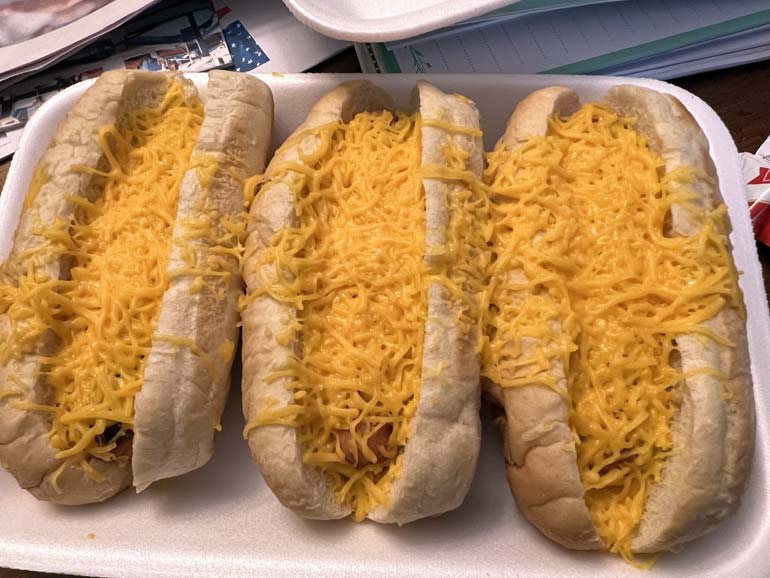
My favorite place to eat when I visit Tulsa.
Even though I was not born in Oklahoma, I grew up in Tulsa. I attended local schools, learned to rock climb at Chandler Park, and spent time hiking nearby trails, including visits to Keystone Ancient Forest, where ancient post oak trees and quiet paths offered a different kind of adventure just outside the city. Like many teenagers, I remember cruising down Memorial Drive in high school, a simple tradition that felt like the center of the world at the time.
Summer nights often meant heading out to the local race track to watch the cars circle under the lights, or catching a baseball game and cheering on the Tulsa Drillers. Tulsa was where I learned to explore, climb, and enjoy the outdoors — interests that would later shape many of my travels.
Whenever I return today, I still find myself revisiting familiar places and memories. One tradition that never changes is stopping at Coney I-Lander, a simple place that continues to feel like home and a reminder of the years I spent growing up in Tulsa.
This place shaped a lot of who I became — from climbing at Chandler Park to hiking the trails near Keystone, to simple evenings spent cruising Memorial Drive.
Greenwood (Black Wallstreet)
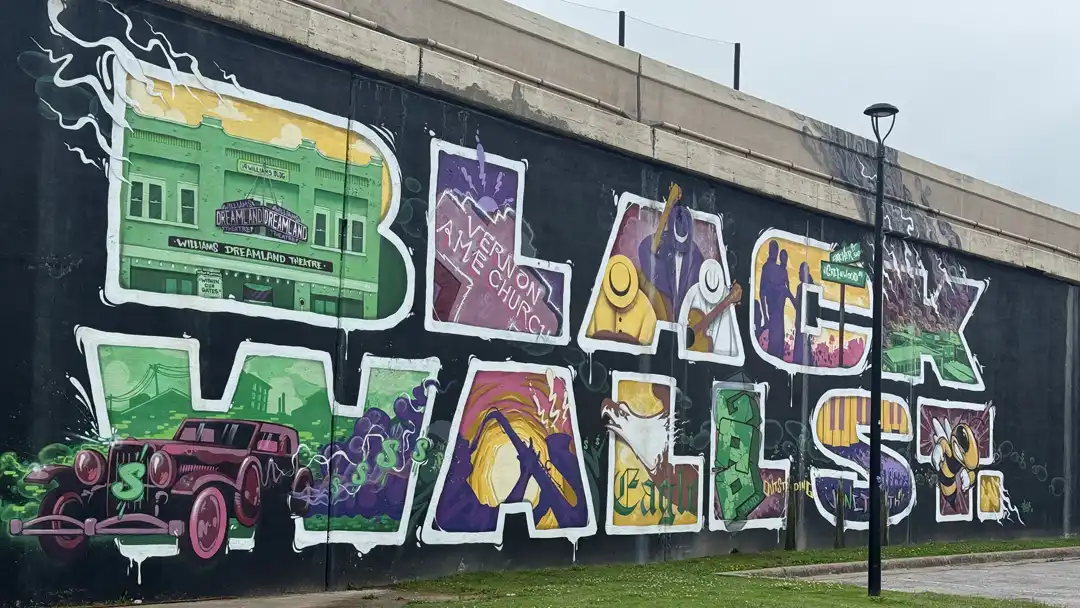
Artist: Donald "Scribe" Ross
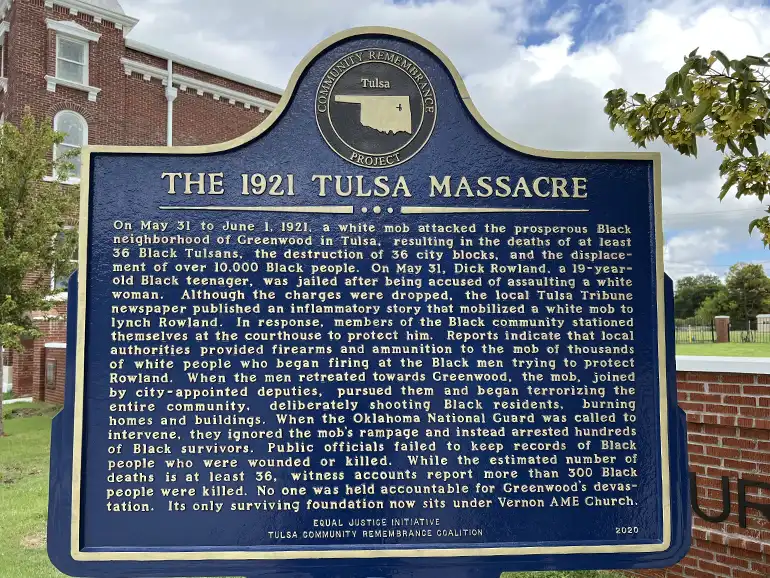
Growing up in Tulsa, I was never taught about the events that unfolded in 1921. Like many others, I would only learn about the Tulsa Race Massacre much later in life — long after leaving the city where it happened.
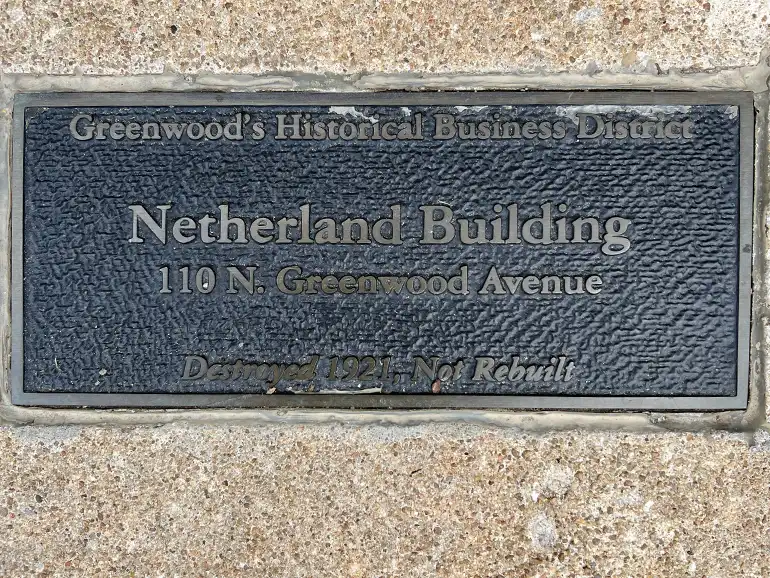
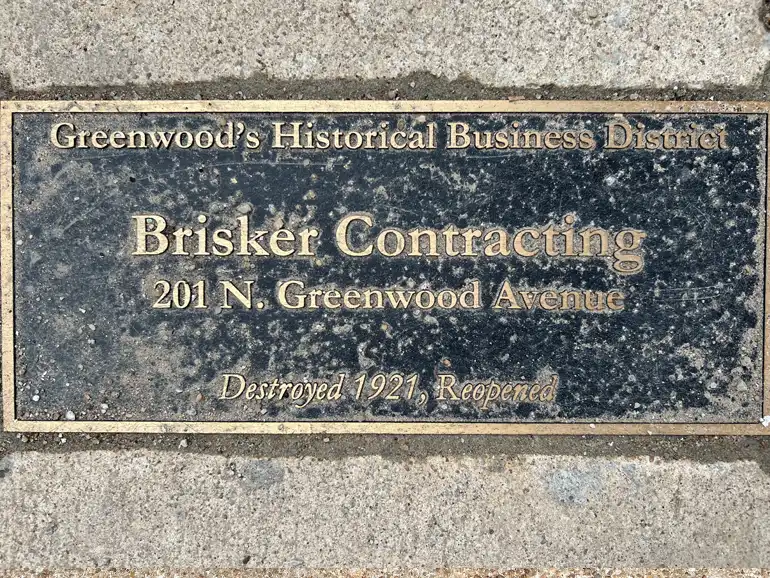
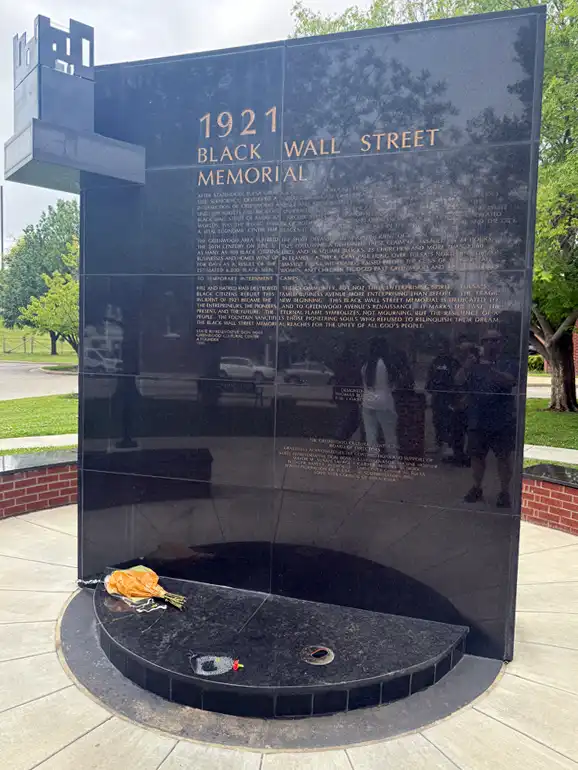
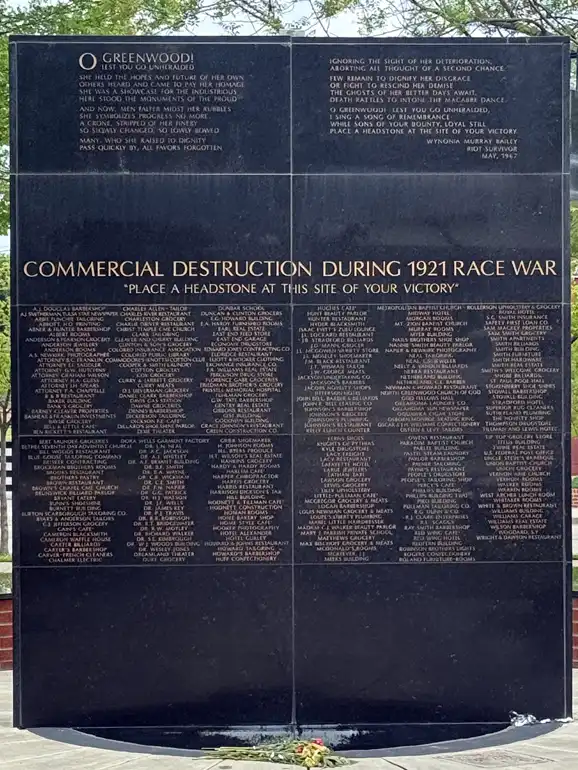
The 1921 Tulsa Race Massacre remains one of the worst incidents of racial violence in American history. Over the course of just 18 hours, a white mob destroyed more than 1,000 homes and businesses in Tulsa’s Greenwood District — a thriving Black community known as “Black Wall Street.” Estimates suggest that between 50 and 300 people were killed, and thousands were left homeless.
Please take a moment to explore the resources below to learn more about the 1921 Tulsa Race Massacre.
Greenwood Rising — Black Wall Street History Center
Tulsa Race Massacre — Oklahoma Historical Society
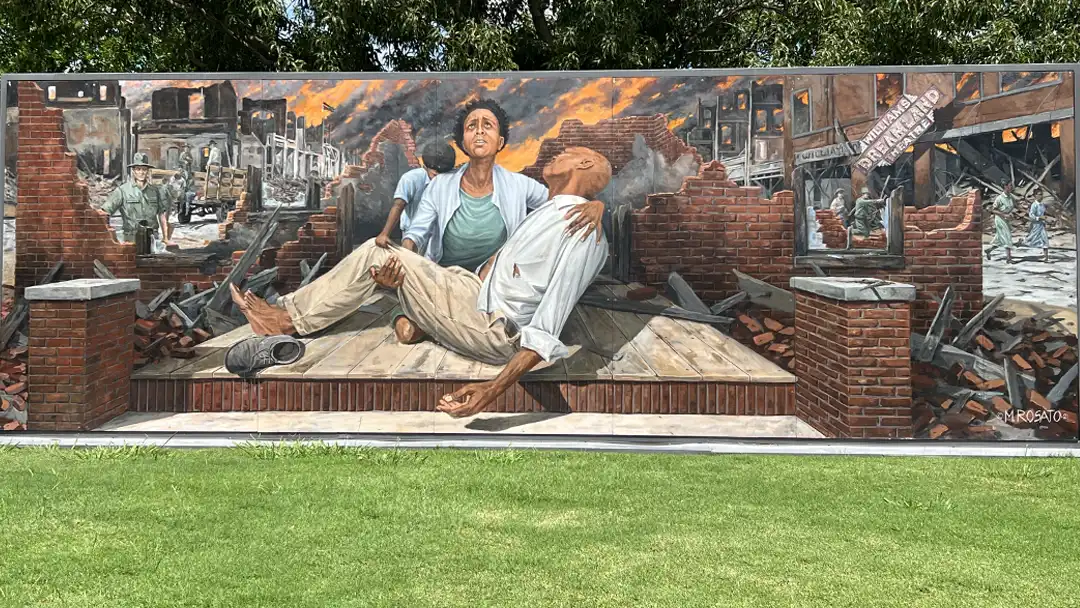
Michael Rosato’s mural on the OSU-Tulsa campus