

Palma de Mallorca
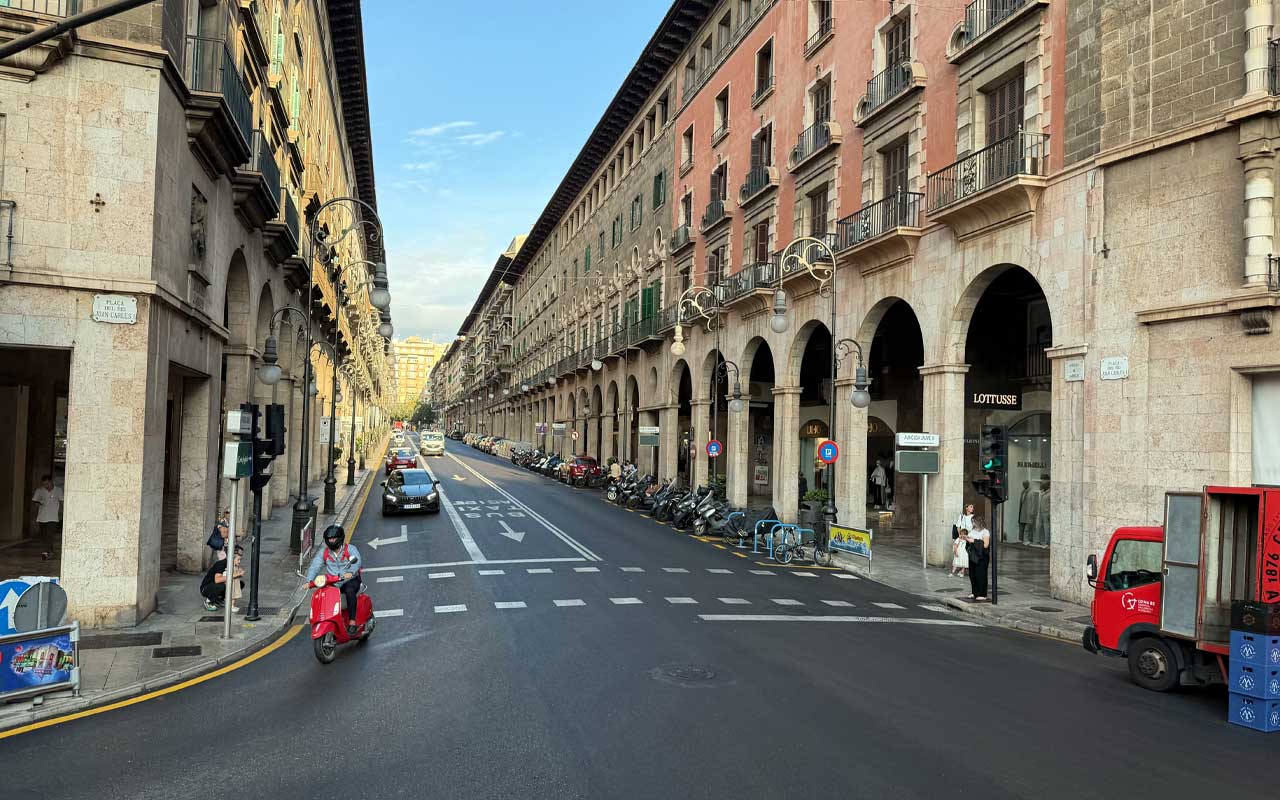
The First Stop of Our Cruise Journey
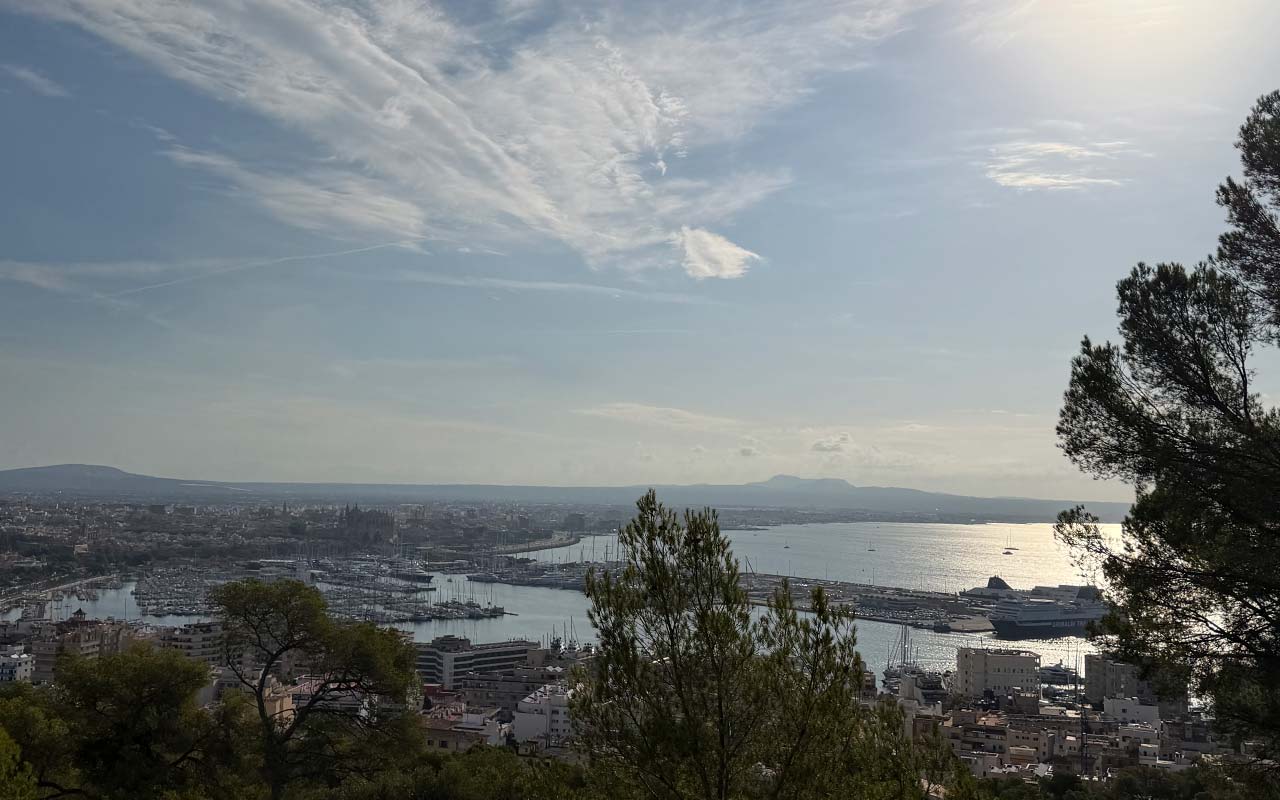
Looking out over Palma Port
This was my first cruise experience, and after a good nights rest I was excited to for our first stop, Palma de Mallorca. The island’s vibrant capital and a city with a rich blend of history, architecture, and culture.
We started the day with a bus tour that gave us a broad overview of Palma’s landmarks, from its bustling streets and modern plazas to its historic neighborhoods. After the tour, we had about 45 minutes to eat and explore the area around Palma Cathedral, one of the city’s most iconic landmarks with its soaring Gothic architecture and intricate stained glass.
Palma de Mallorca, originally known as Palmaria under Roman rule, was an important settlement in the Balearic Islands during the first century BC. The city was laid out with a typical Roman grid plan, including the main north-south street, the Cardo Maximus, and the east-west Decumanus, traces of which can still be seen in the old town today. Roman influence shaped Palma’s early architecture, infrastructure, and harbor, laying the foundation for the vibrant city that exists now.
Bellver Castle
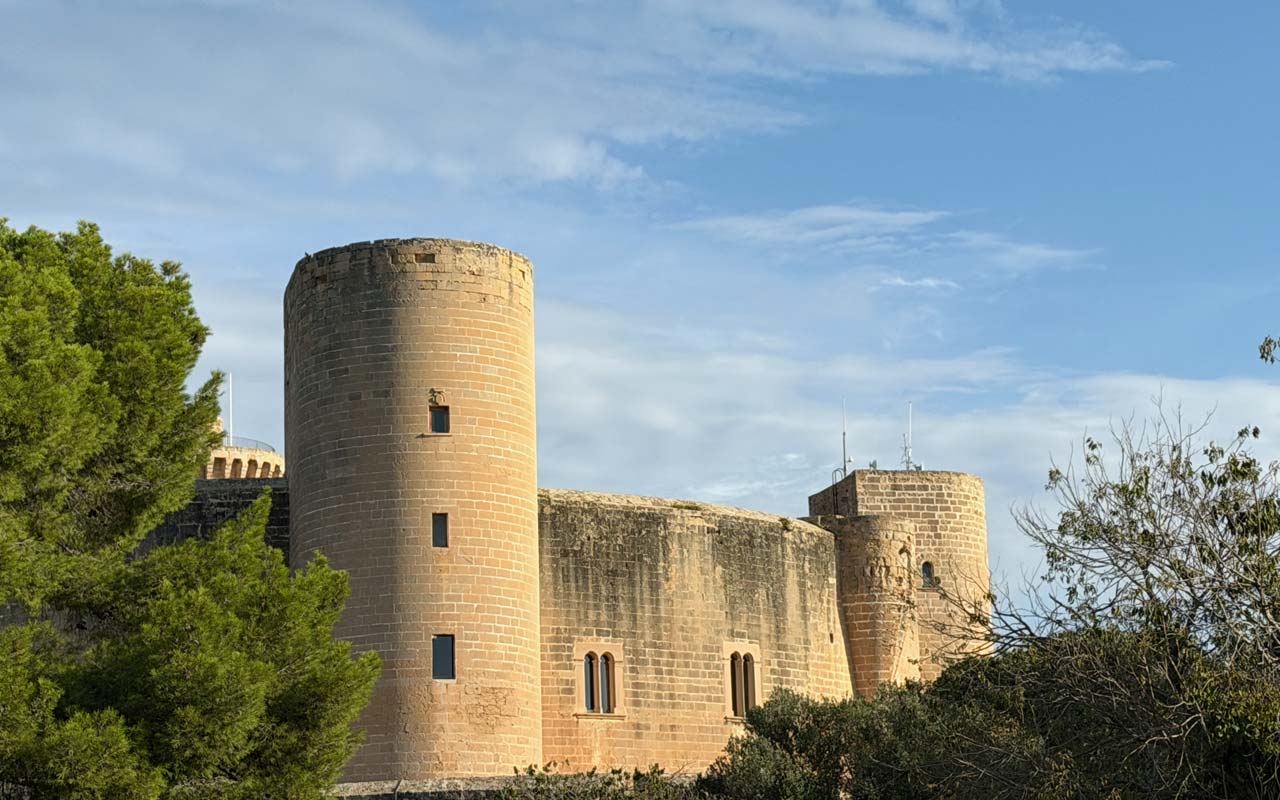
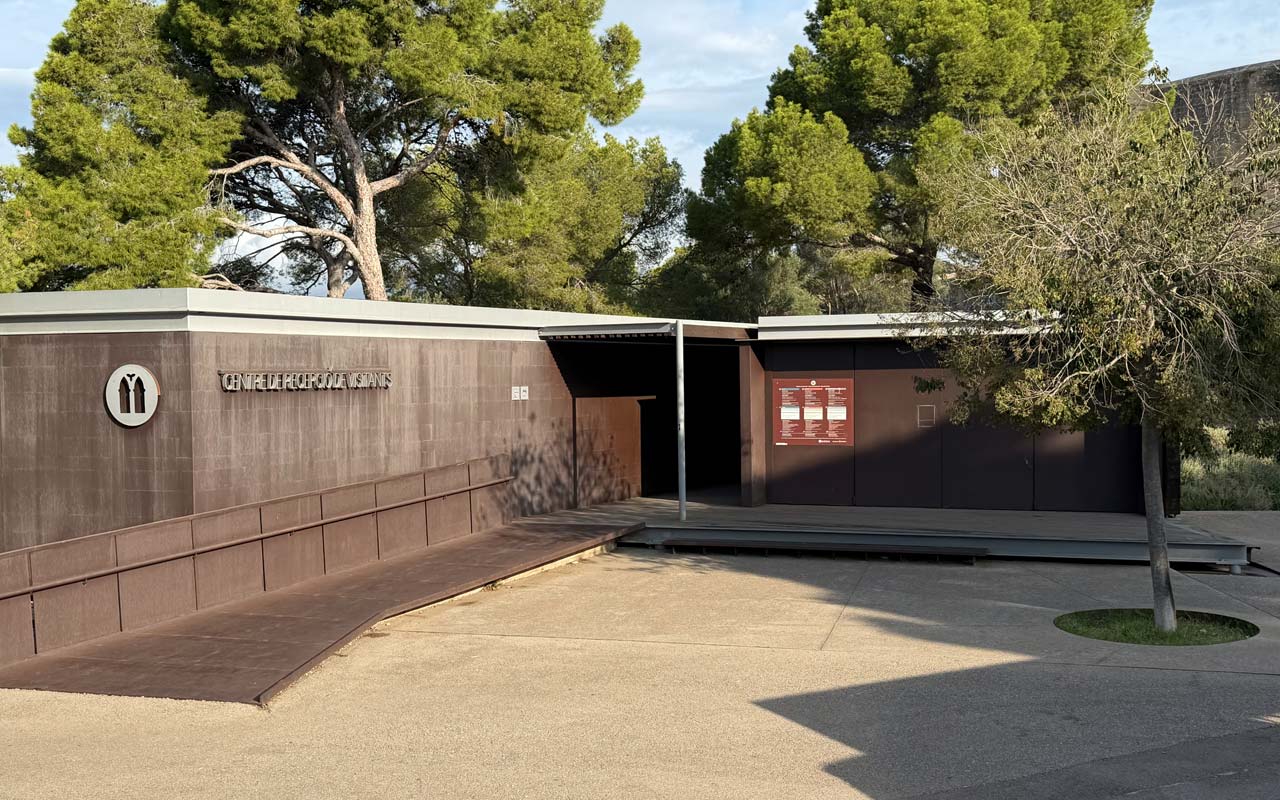
Bellver Castle
Our first stop on the bus tour in Palma de Mallorca was Bellver Castle, a striking circular fortress perched on a hill overlooking the city. Built in the 14th century for King James II of Mallorca, the castle’s unique circular design is rare in Europe and was originally used as a royal residence and later as a military fortress. Although we didn’t have time to tour the interior, the stop gave us a chance to admire the castle’s impressive architecture and panoramic views of Palma and the surrounding coastline. It was also a much-needed bathroom break, providing a brief pause before continuing our day of sightseeing.
Palma Cathedral
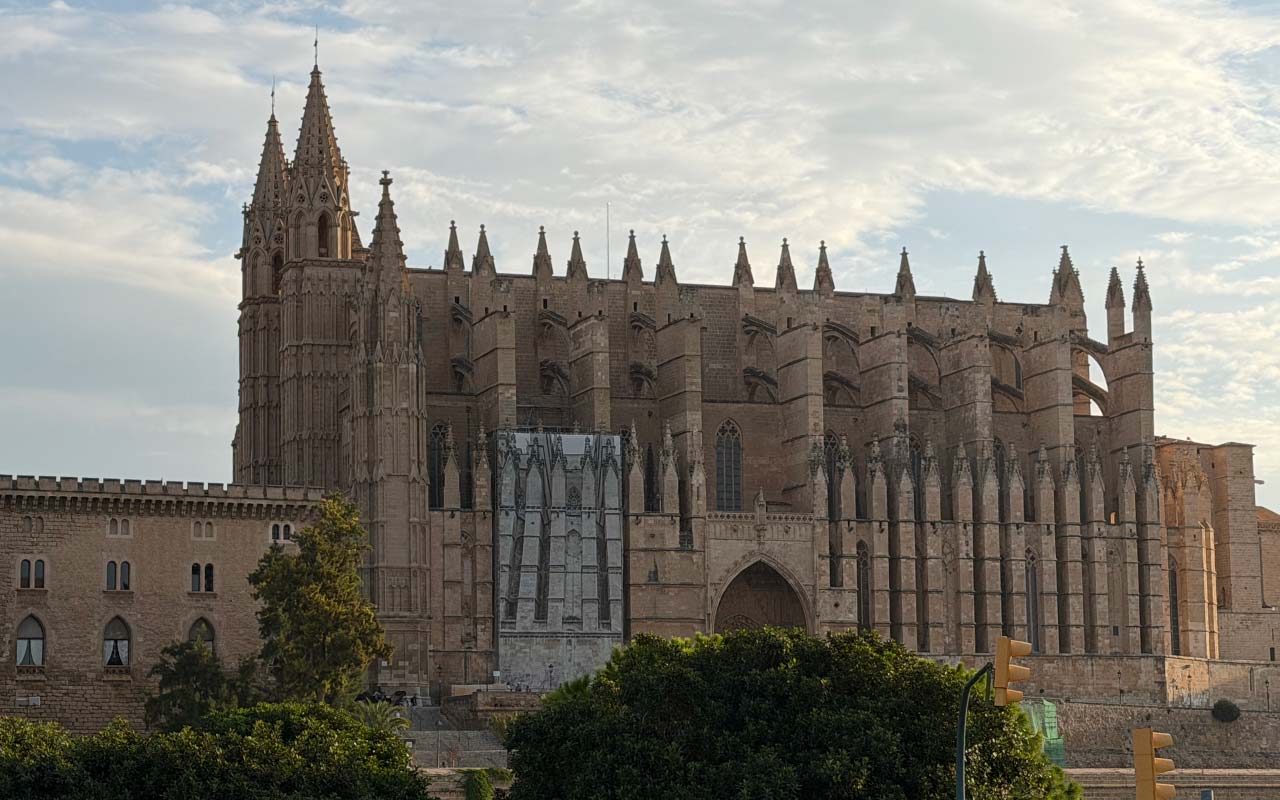
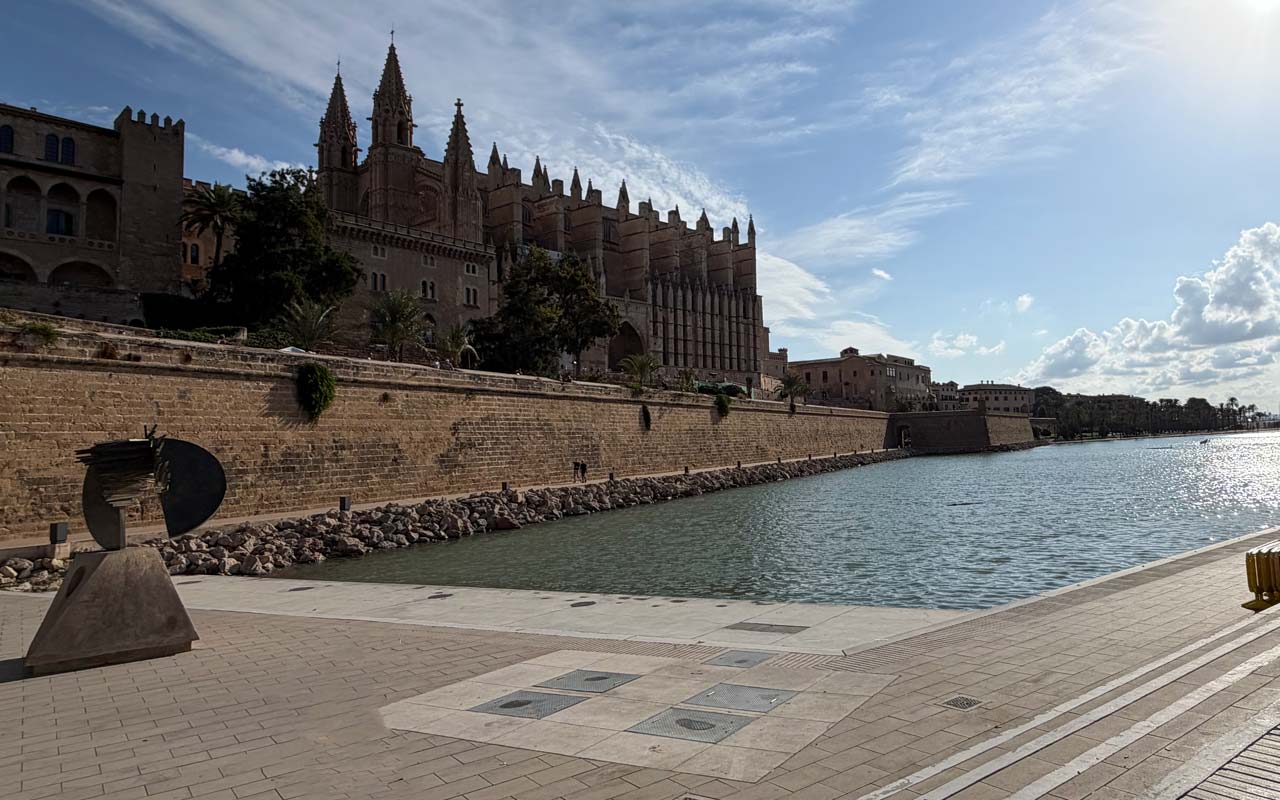
Parc de la Mar (Artificial Saltwater Lake)
Palma Cathedral (Le Seu)
After our bus tour of the city, we had about 45 minutes to eat and explore the area around Palma Cathedral. We grabbed sandwiches at a small café and wandered through the charming streets of the Born de Palma district, taking in the lively atmosphere. Along the way, we saw the Born de Palma Sphinxes, two striking statues that reflect the Neoclassical fascination with Egyptian motifs popular in the 19th century and add a touch of historical elegance to the plaza.
Little did I know at the time that we were very close to where the original Cardo Maximus, the main north-south street of Roman Palma, is believed to have run. This missed opportunity is one of the reasons I created the Cardo Maximus Map: Explore Ancient Roman Streets, tracing the paths of ancient Roman streets throughout various cities.
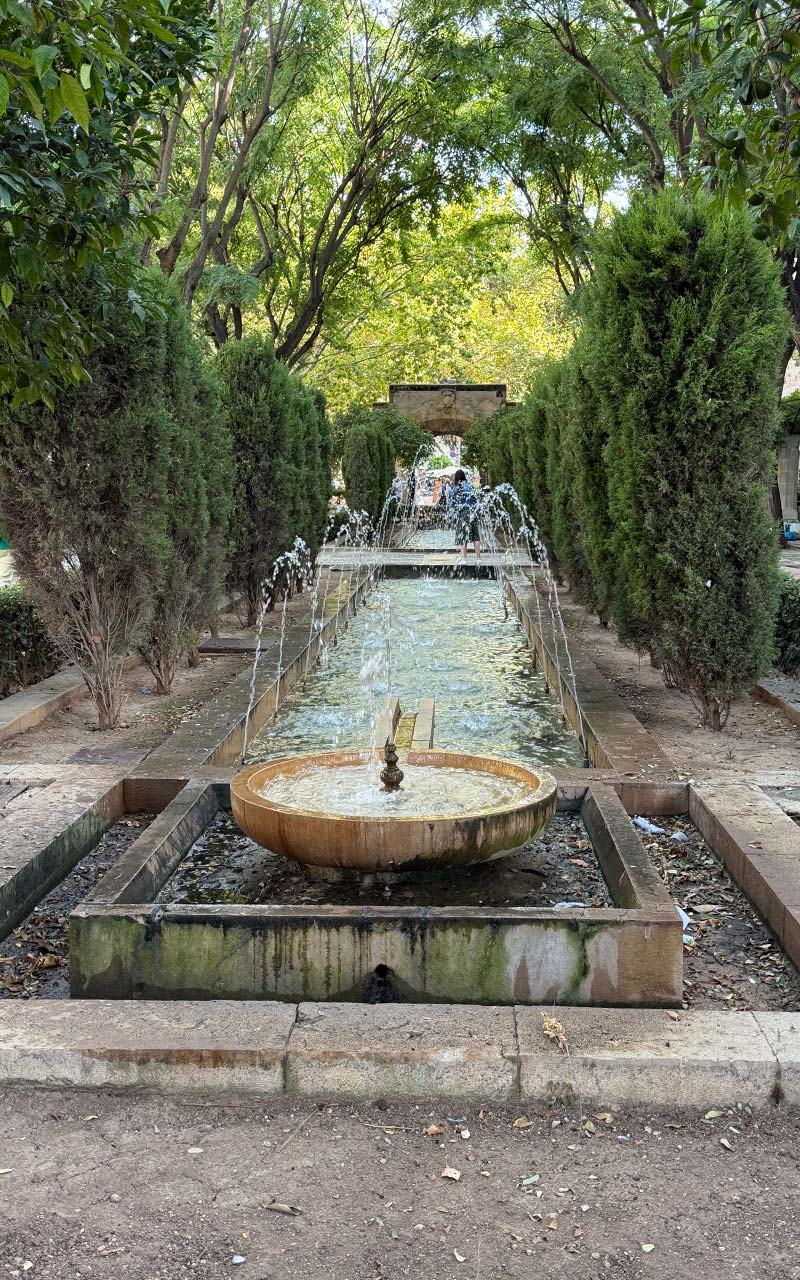
Jardines de S'Hort de Rei fountain
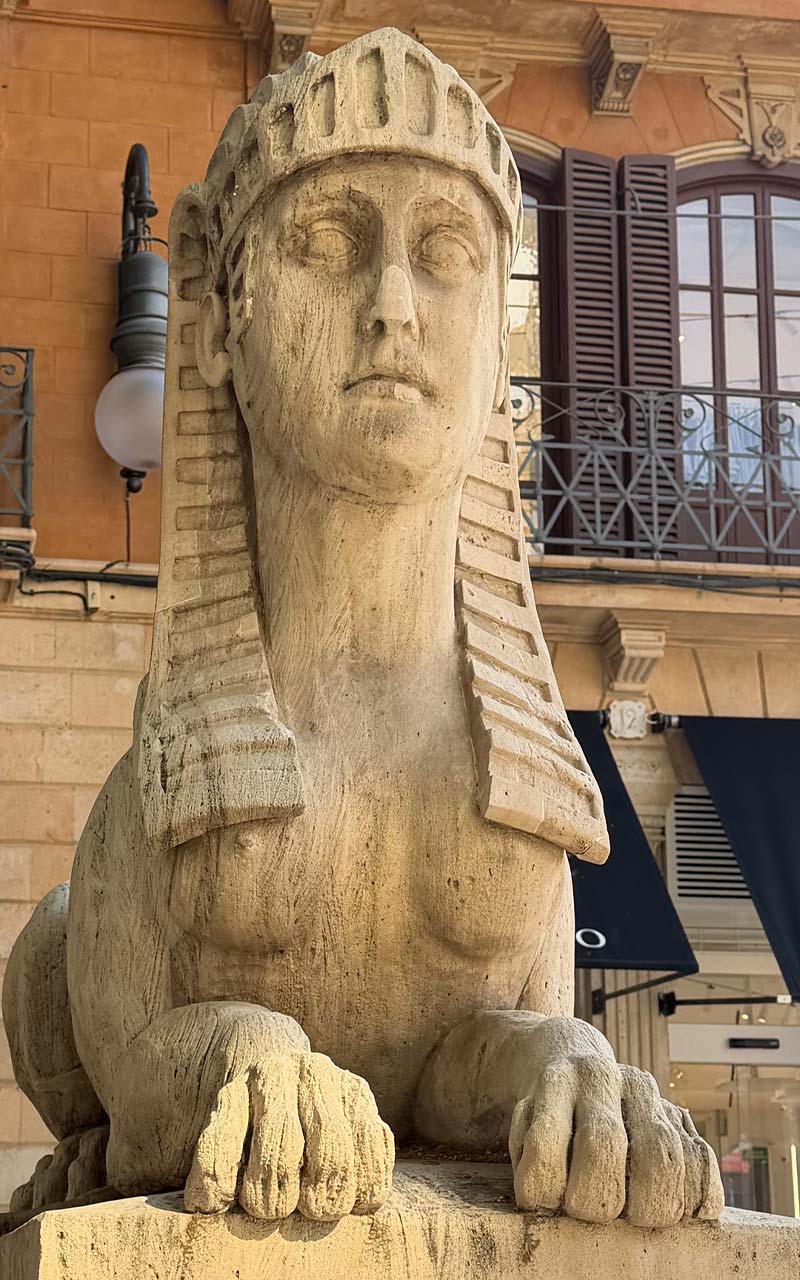
Born de Palma Sphinx
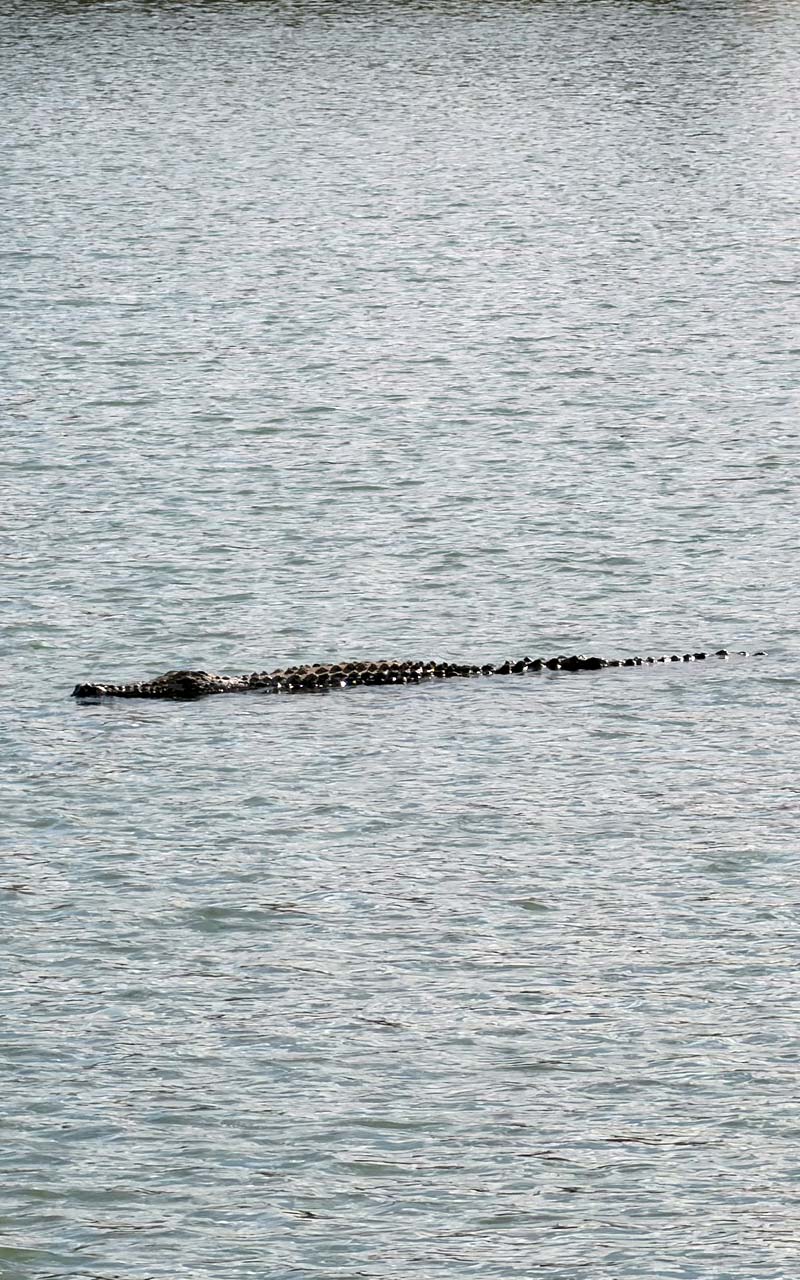
Scultpure celebrating Drac de na Coca
Departing Palma de Mallora on our way to Cannes with storms on the horizon.
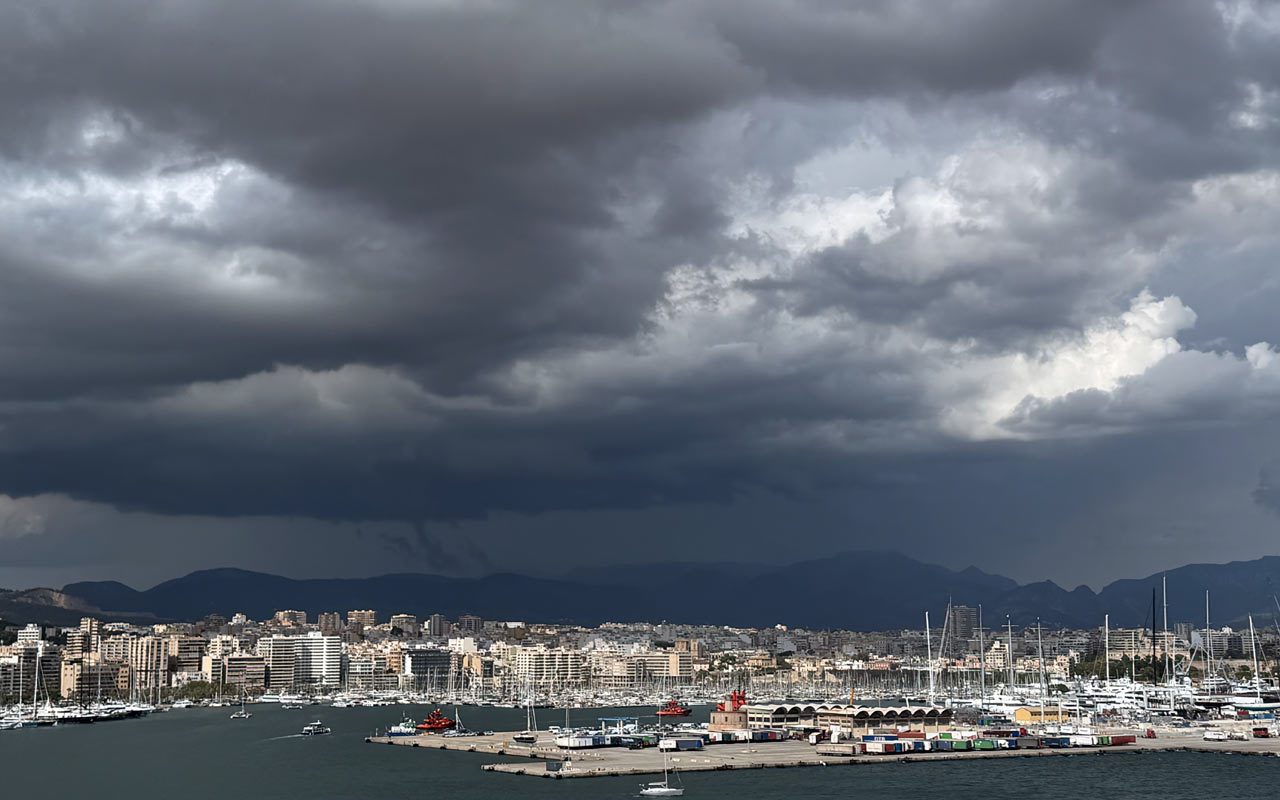

As we turned toward Palma de Mallorca, I found myself wondering — would we find another Roman thread waiting to be uncovered on our first island stop?
As our time in Palma de Mallorca came to an end, this stop felt different from Barcelona. We didn’t spend the day tracing Roman grids or searching for a Cardo Maximus. Instead, we stood beneath the towering façade of Palma Cathedral and took in the sweeping island views from Bellver Castle.
Palma was less about ancient street alignments and more about Gothic grandeur, sea air, and island perspective. Not every port on this journey would reveal a Roman footprint beneath our feet — and that’s part of the adventure.
As we pulled away from Mallorca and turned toward the French Riviera, a new chapter awaited. Next stop: Cannes — a city known more for film festivals and seaside elegance than Roman grids. But on this journey, I’ve learned never to assume what history might be hiding just beneath the surface.