

Malta
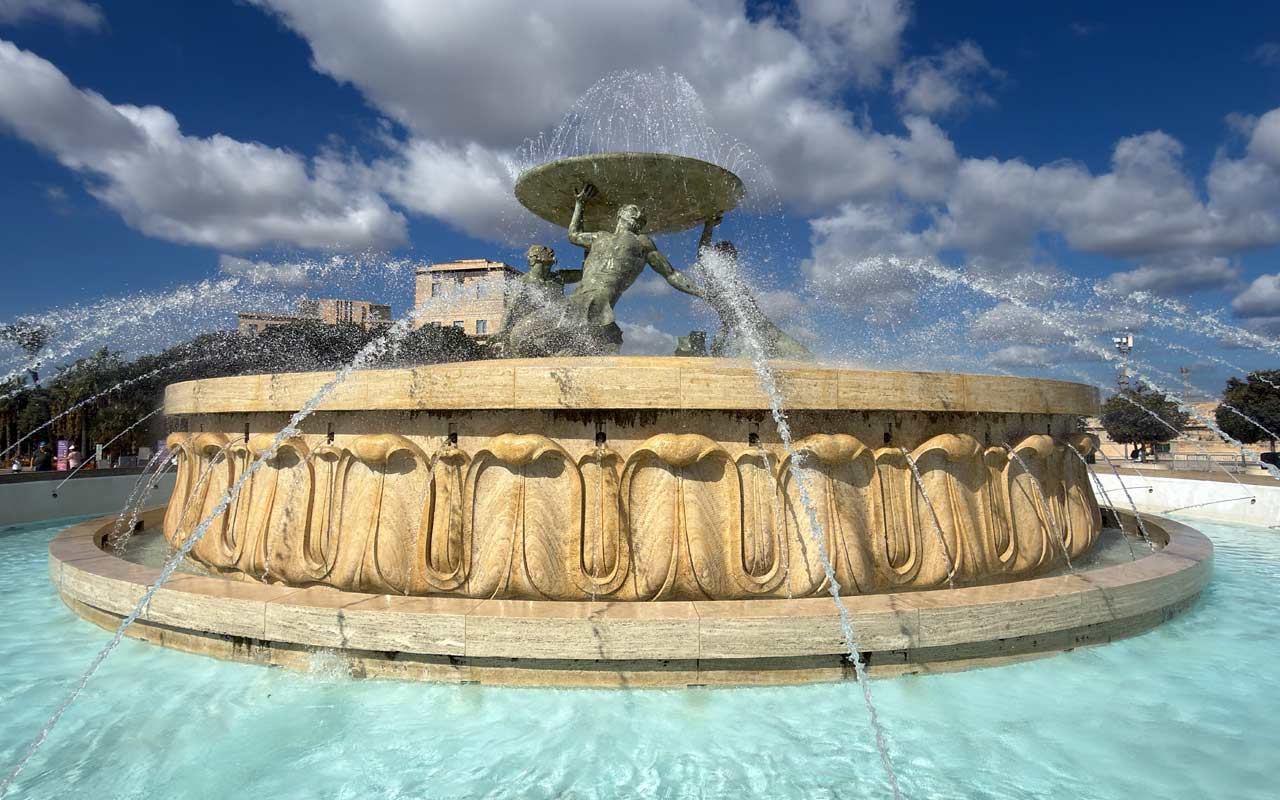
Triton's Fountain
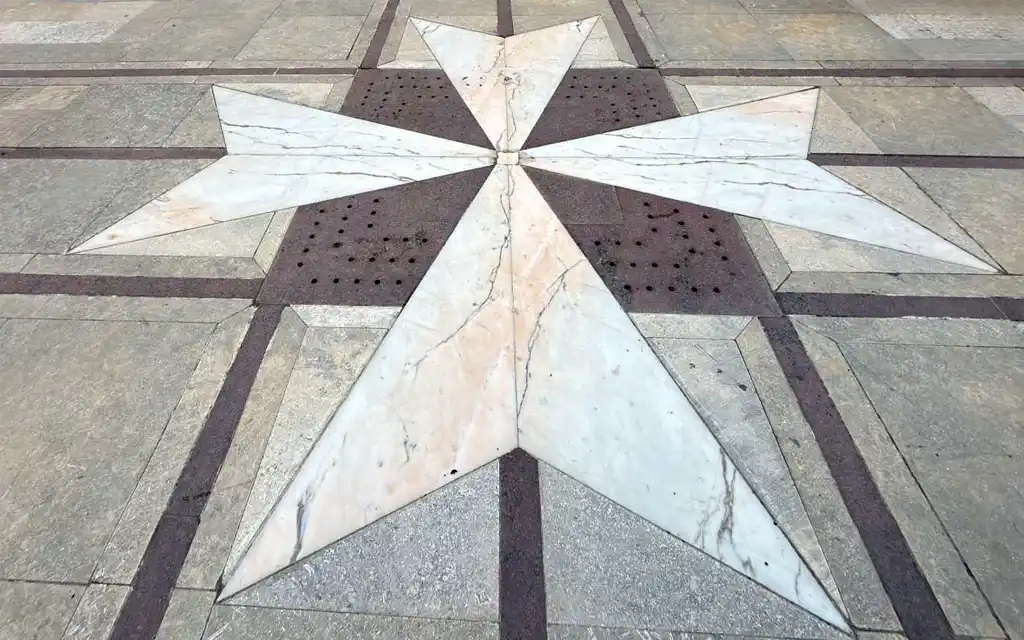
Maltese Cross
Malta was our first stop after spending four days visiting carious locations in Italy. Docking in Valletta, we were immediately reminded of the island’s rich heritage with the iconic Maltese Cross, the enduring symbol of the Knights of St. John, visible throughout the city. Near the entrance to Valletta, the impressive Triton Fountain stands proudly in City Gate Square, welcoming visitors with its powerful bronze figures representing Malta’s connection to the sea.
But first we explored the ancient city of Mdina, renamed Melita by the ancinet Romans. We felt like we were stepping back in time as we wandered its quiet medieval lanes, admired its noble homes, and visited St. Paul’s Cathedral. From the fortified capital of Valletta to the ancient hilltop city of Mdina, Malta offered a remarkable blend of history, culture, and unforgettable scenery and it was one of the filming locations for the Game of Thrones show.
Mdina
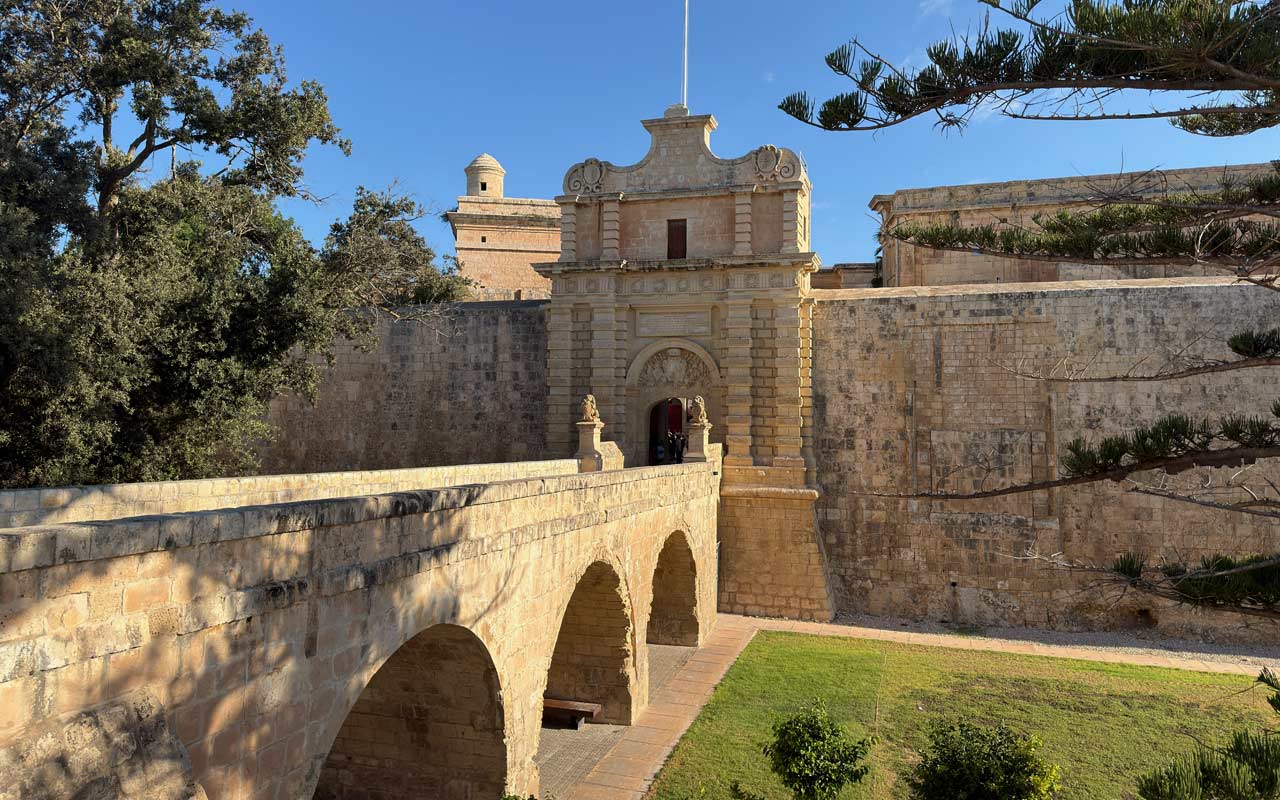
Mdina Gate (GOT King's Landing Gate)

Visiting Mdina feels like stepping into a living museum perched above the Maltese countryside. Founded by the Phoenicians around the 8th century BCE and later developed under Roman rule — when it was known as Melite — Mdina once served as Malta’s administrative center. Although centuries of Arab and Norman influence reshaped the city, traces of the Roman street layout of Mdina still linger beneath its medieval fabric, reflecting the ordered planning introduced during antiquity.
At the heart of the city stands St. Paul's Cathedral, built in the 17th century on the traditional site where the Roman governor Publius is said to have met the Apostle Paul after his shipwreck on Malta.
Throughout Mdina, the ornate brass door knockers are more than decoration; historically, they symbolized a family’s status and heritage, with intricate designs reflecting wealth and pride.
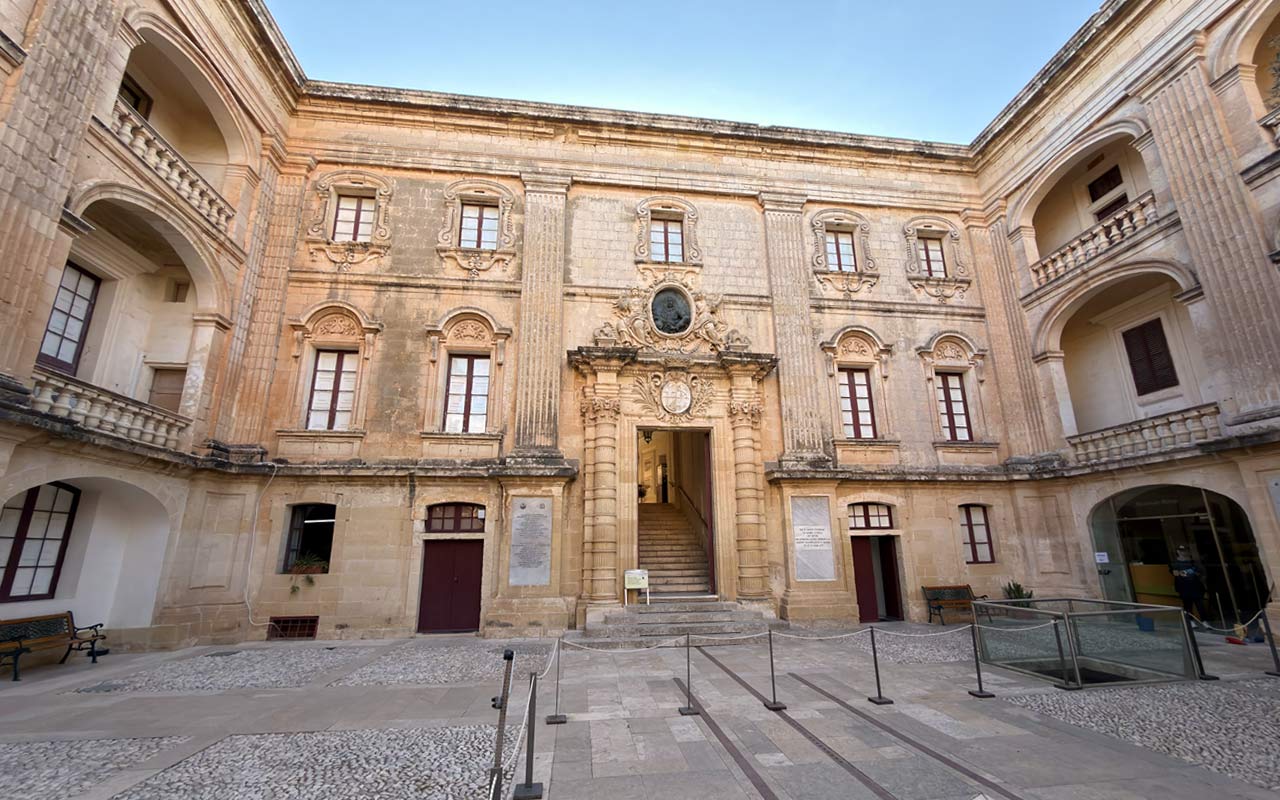
Palazzo Vilhena
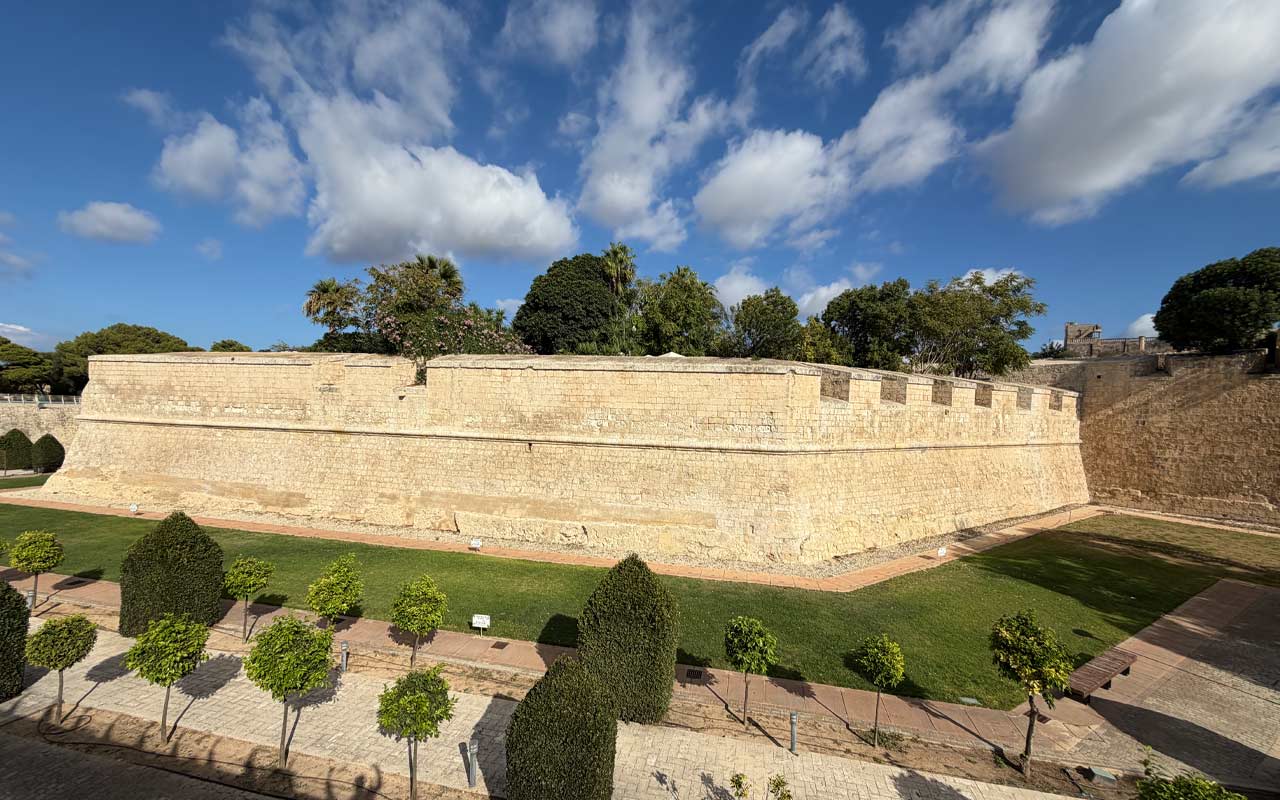
Mdina Defensive Walls
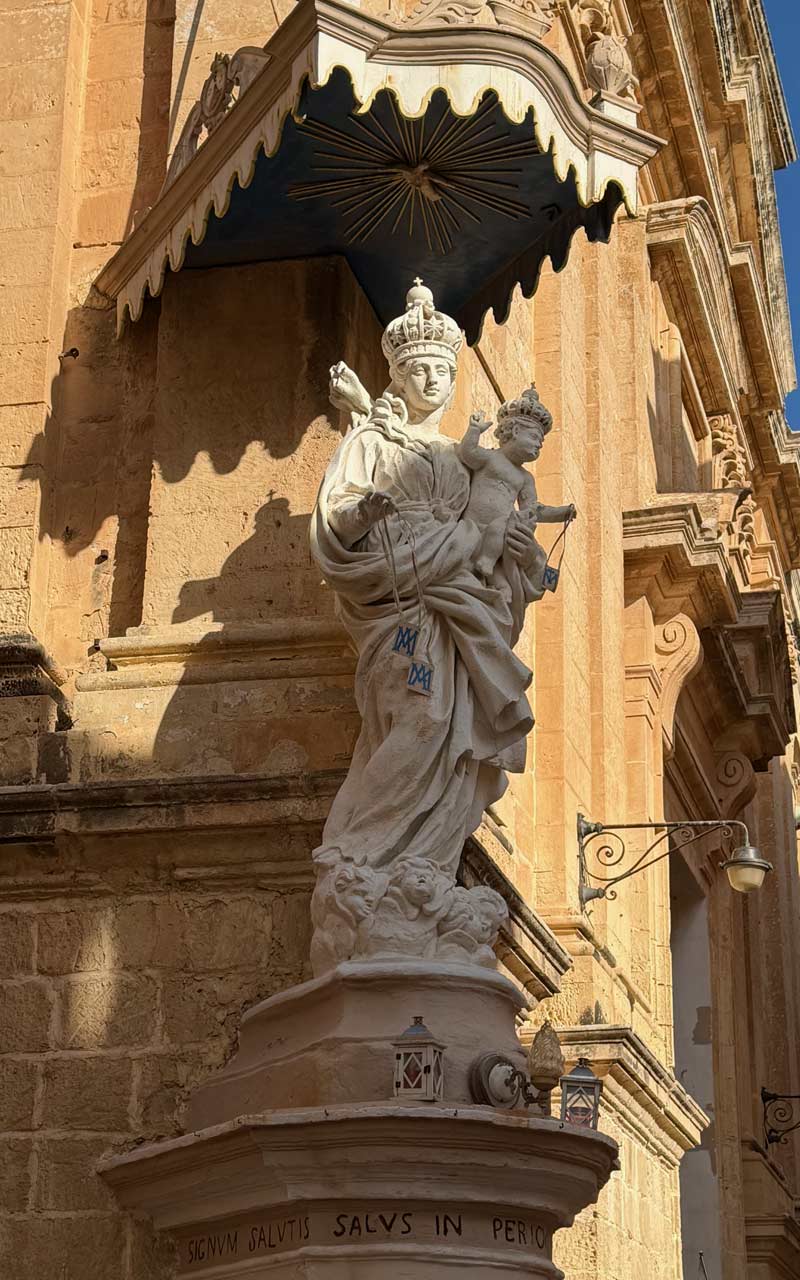
Annunciation Church
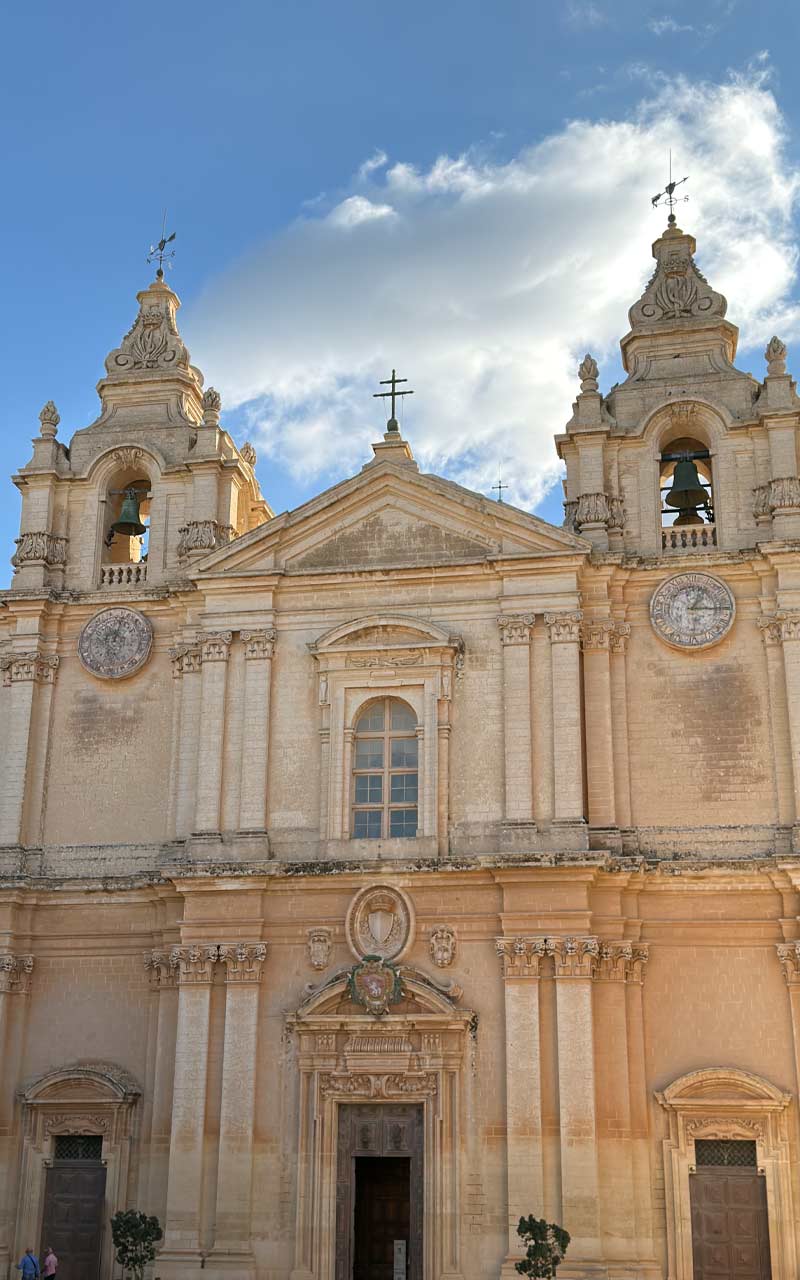
St. Paul’s Cathedral
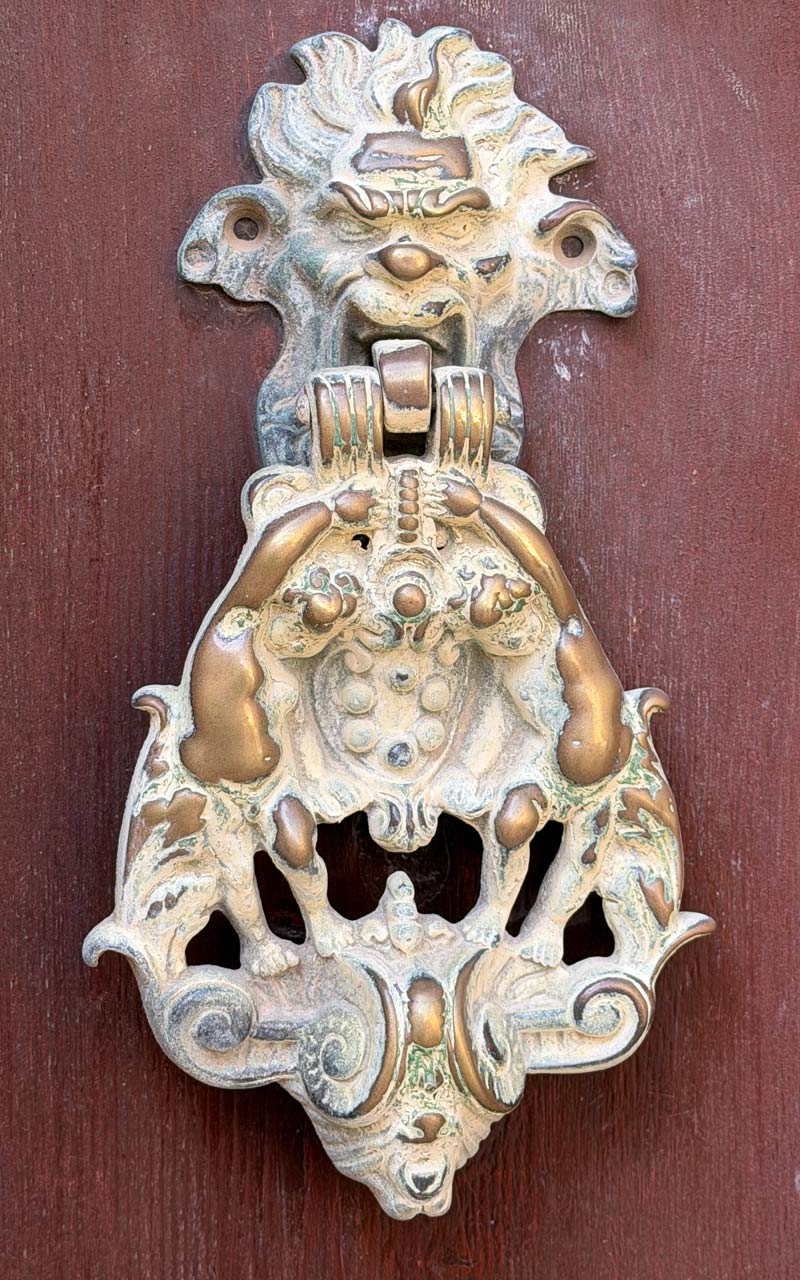
Ornate Door Knockers
Valletta
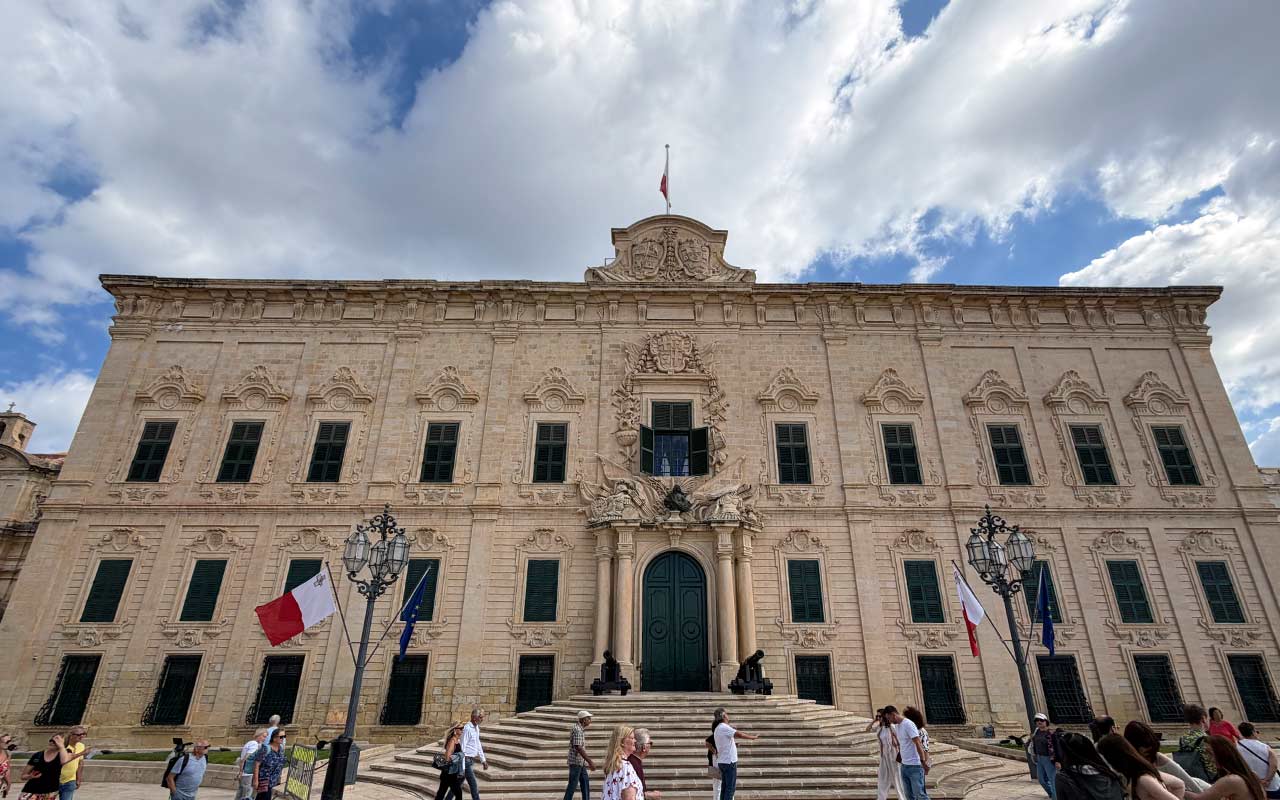
Auberge de Castille
Visiting Valletta, the capital of Malta, is like walking into a city built as both a fortress and a masterpiece of Baroque design.
Founded in 1566 by the Knights of St. John after the Great Siege of Malta, the city was named after the 49th Grand Master Jean Parisot de Valette of the Order of Malta, who led the island’s defense against the Ottomans. (See statue image below)
Entering the city through the dramatic modern gateway, you pass through the tall steel “lances” that symbolize the strength and resilience of the Knights who once defended these walls. Beyond the entrance, Valletta unfolds in a grid of honey-colored limestone buildings, narrow streets, and sweeping views of the Grand Harbour.
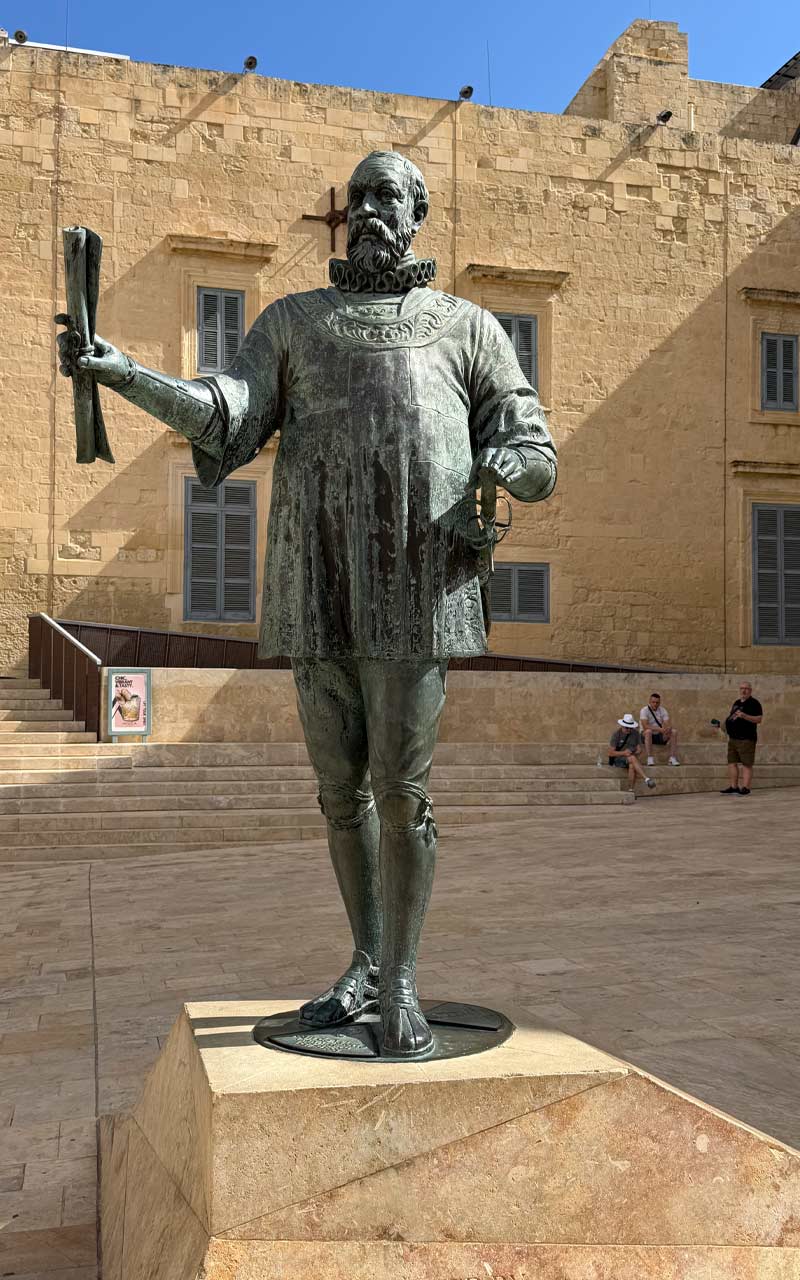
Monument to Jean de la Valletta
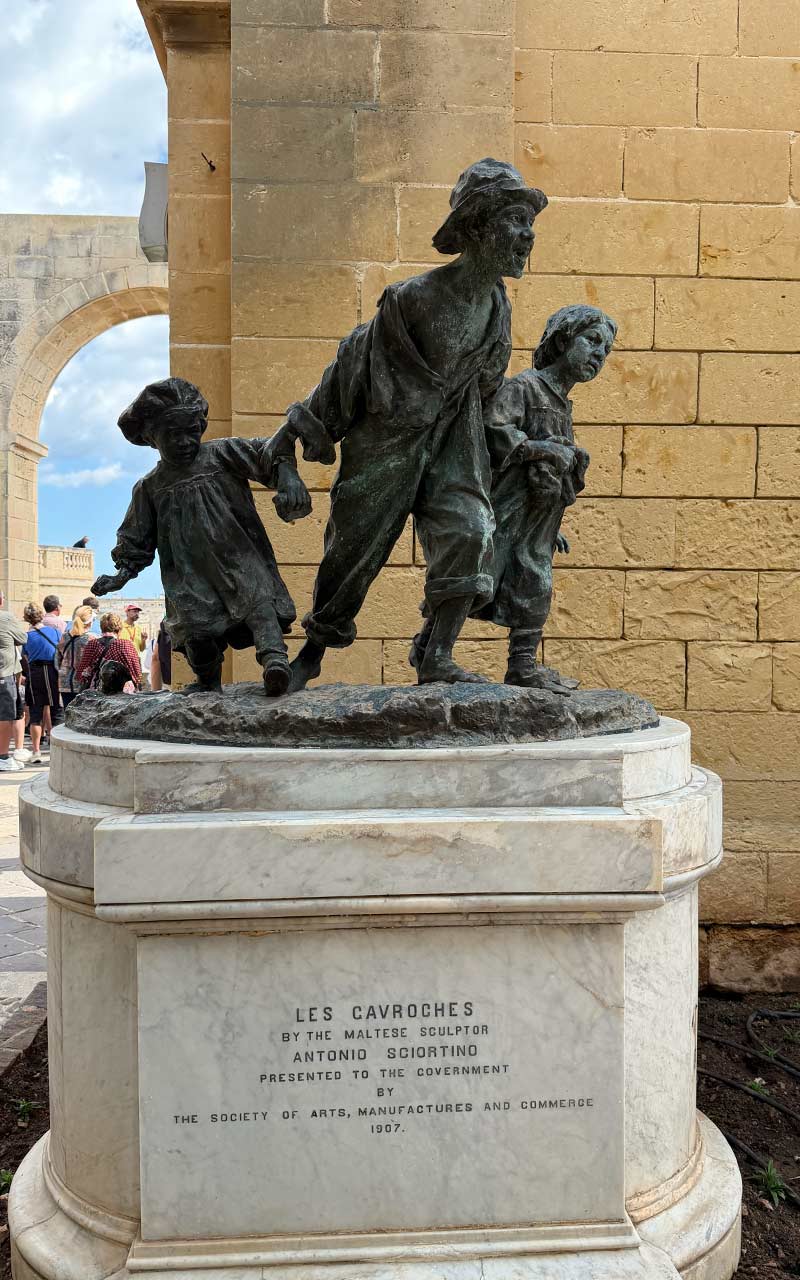
Les Gavroches
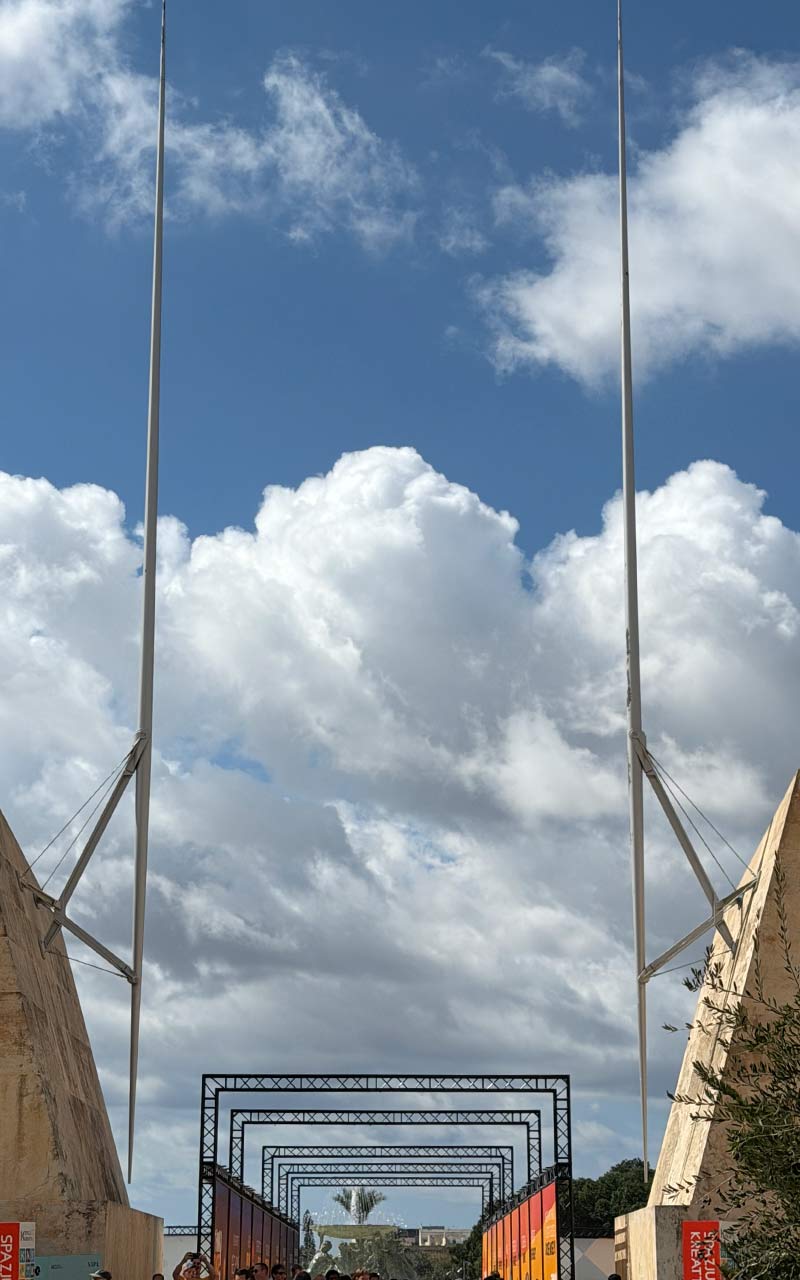
Valletta City Gate
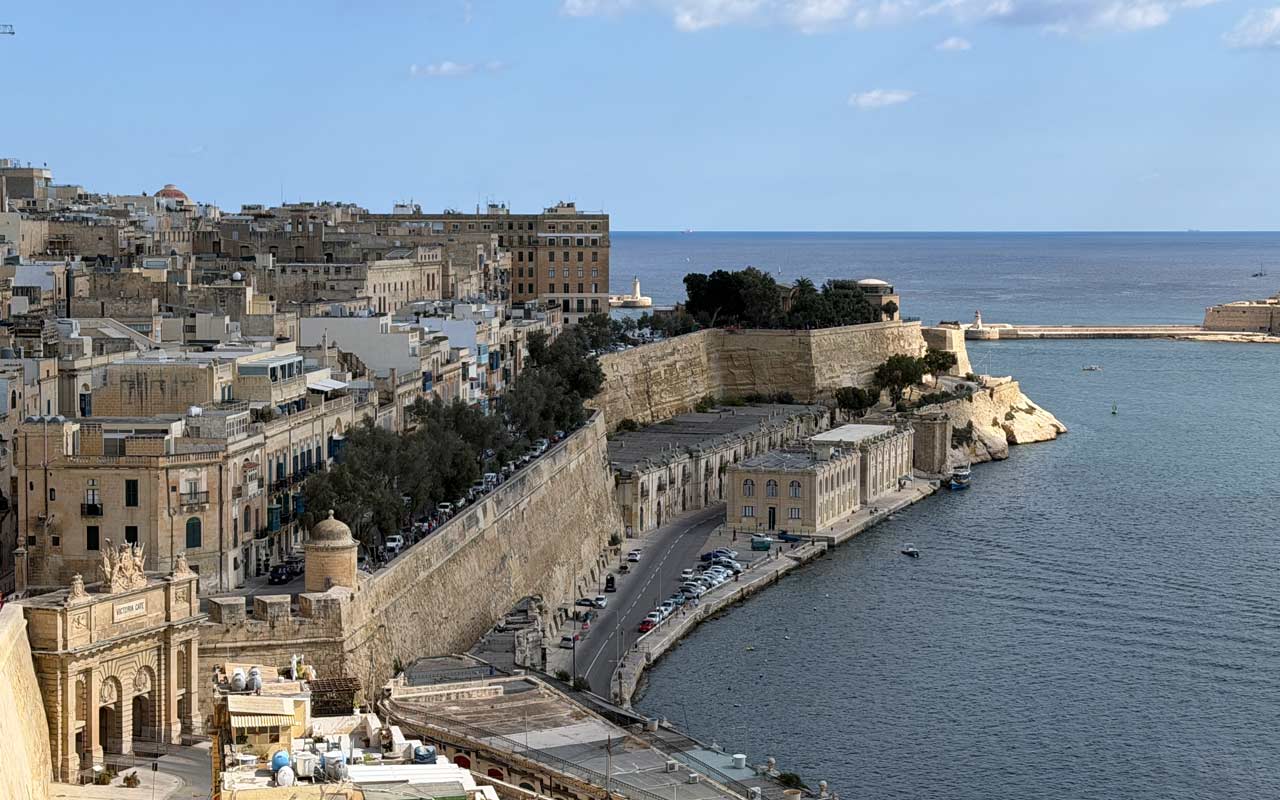
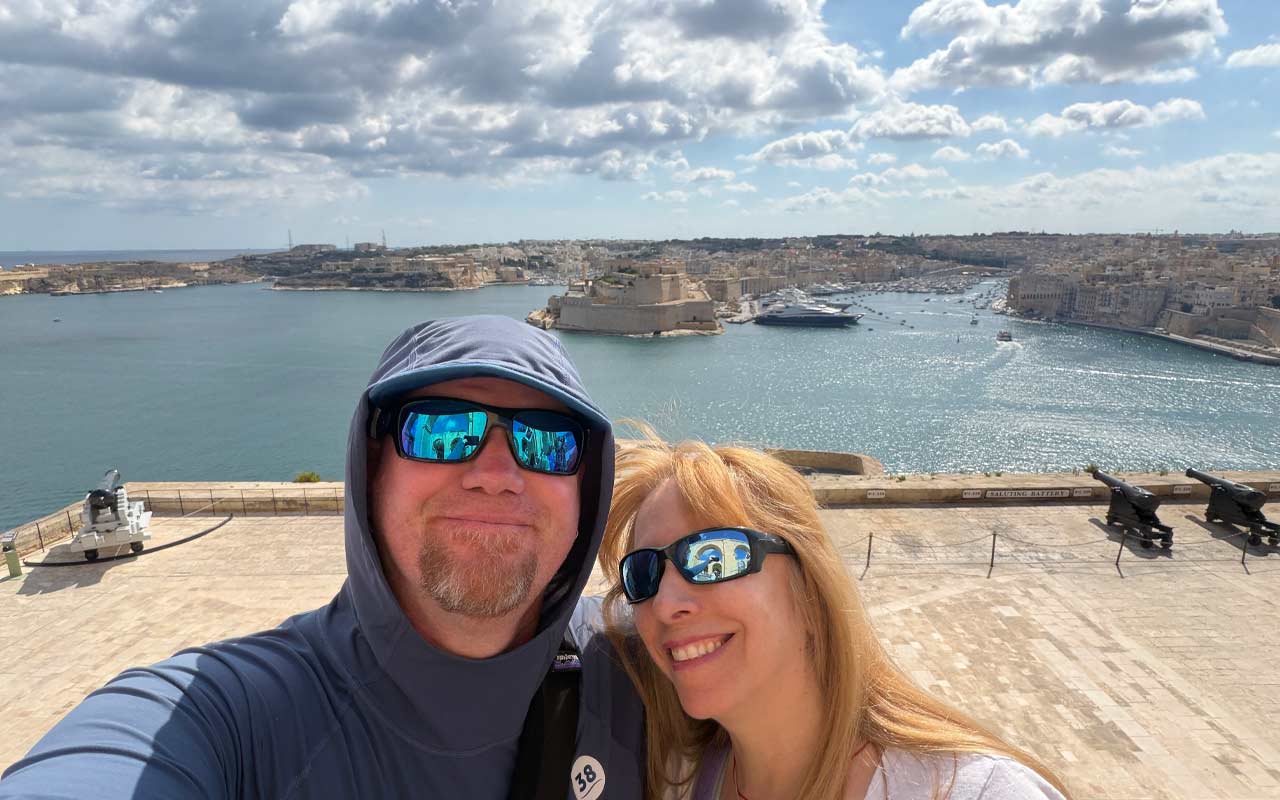
Looking over Valletta
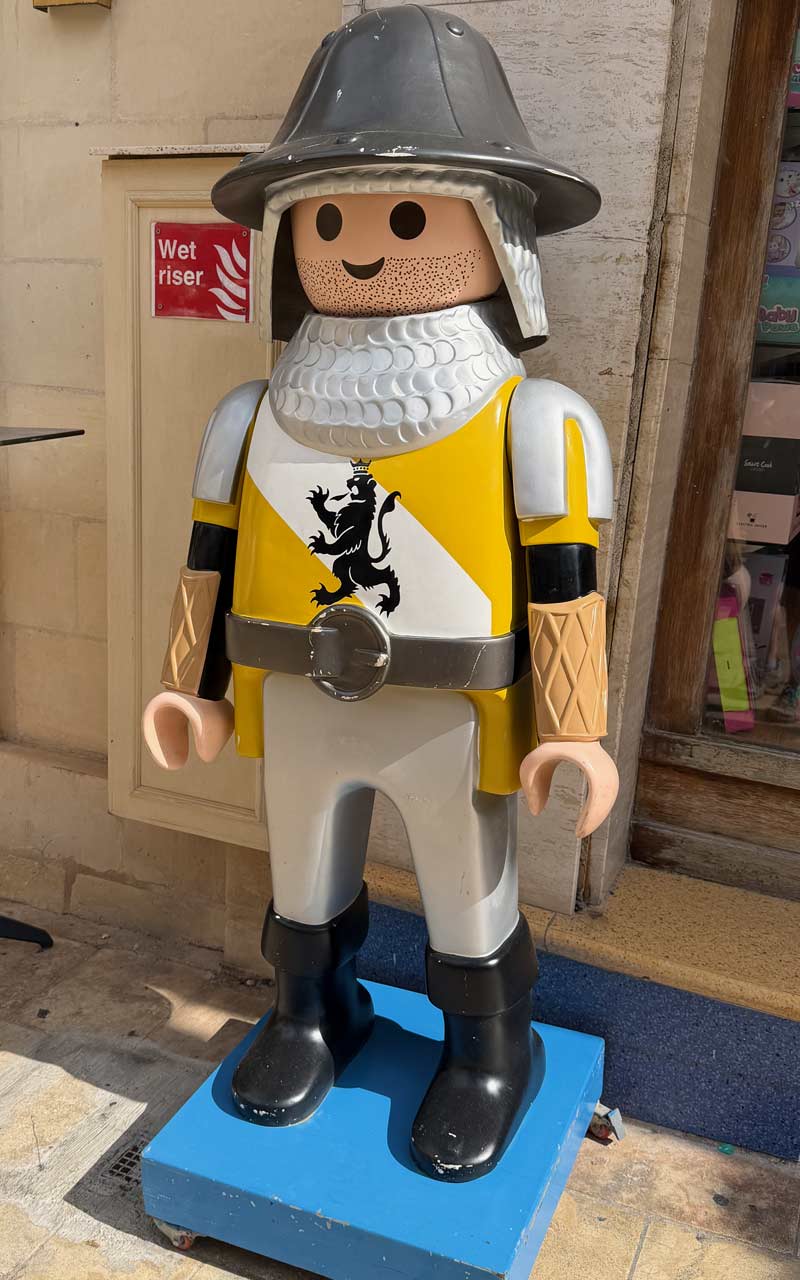
Toy Soldier
Departing Malta on our way to Corfu, Greece
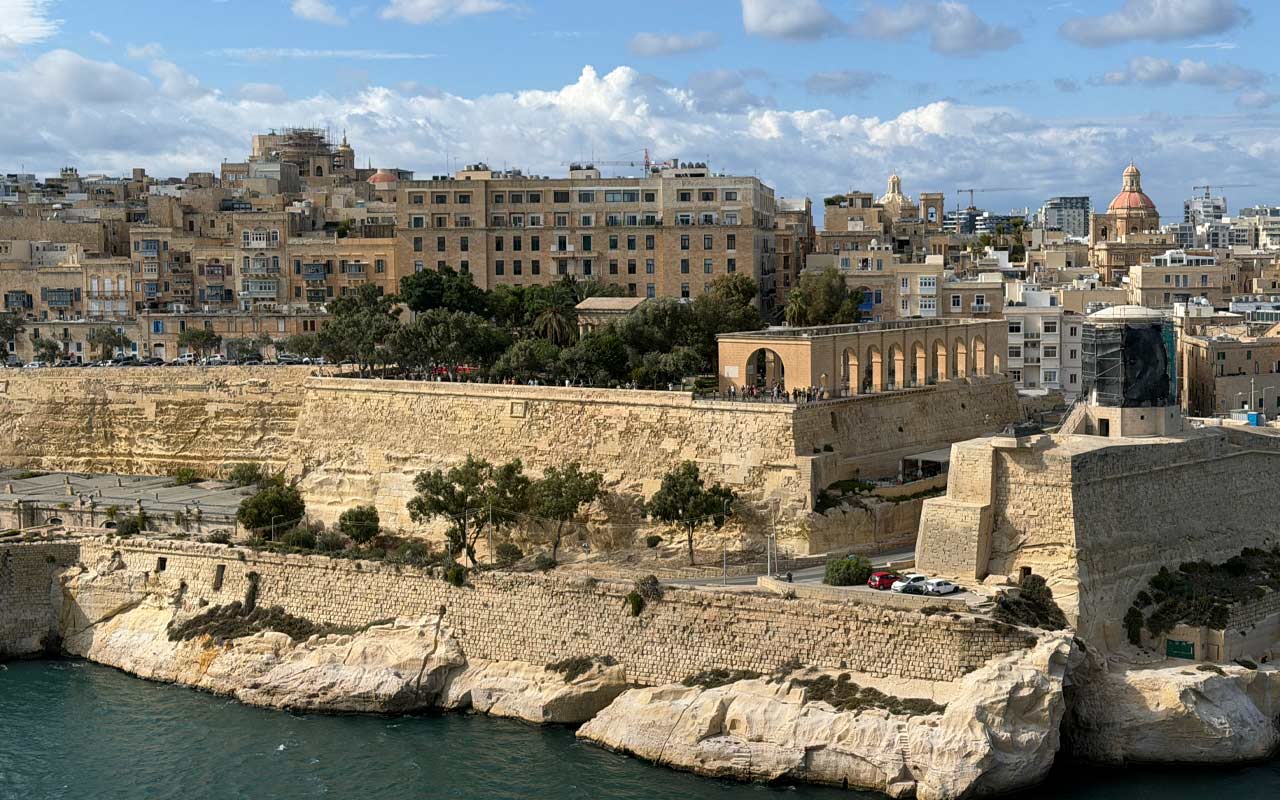
As our day in Malta drew to a close, we wandered the quiet streets of Mdina, admiring the medieval walls and narrow lanes that have grown over ancient foundations, and then took in the bustling harbor views of Valletta, where Baroque stone and modern life collide. Malta offered glimpses of its Roman past — faint echoes in old fortifications and street layouts — but mostly it was a story of layered history, from medieval knights to contemporary island life.
As the ship turned toward the Greek isles, a very different kind of day awaited: sun, sand, and sparkling waters on Corfu, where the pace slows and the horizon stretches wide — another chapter of the Mediterranean unfolding before our eyes.