

Firenze (Florence)
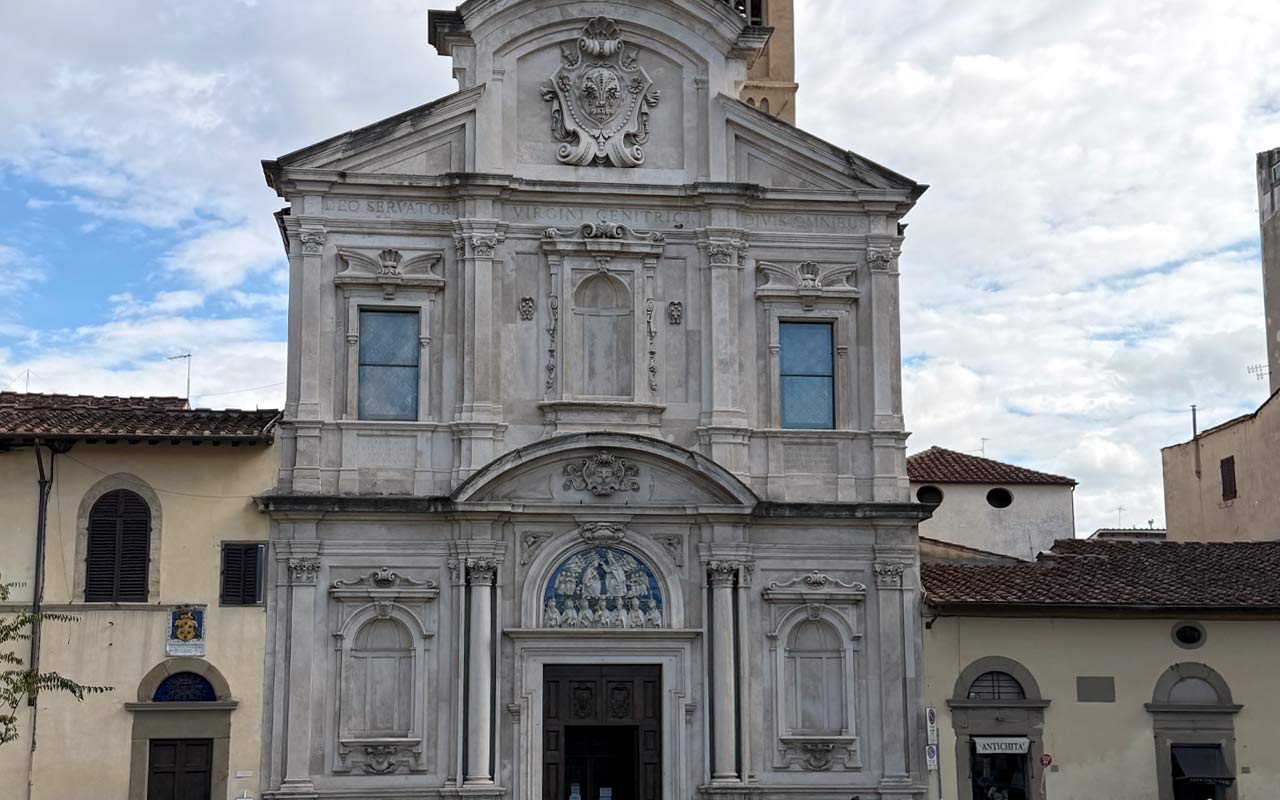
Ognissanti Church built in 1251
We docked in Livorno, but our sights were set on Florence, just a short bus ride away.
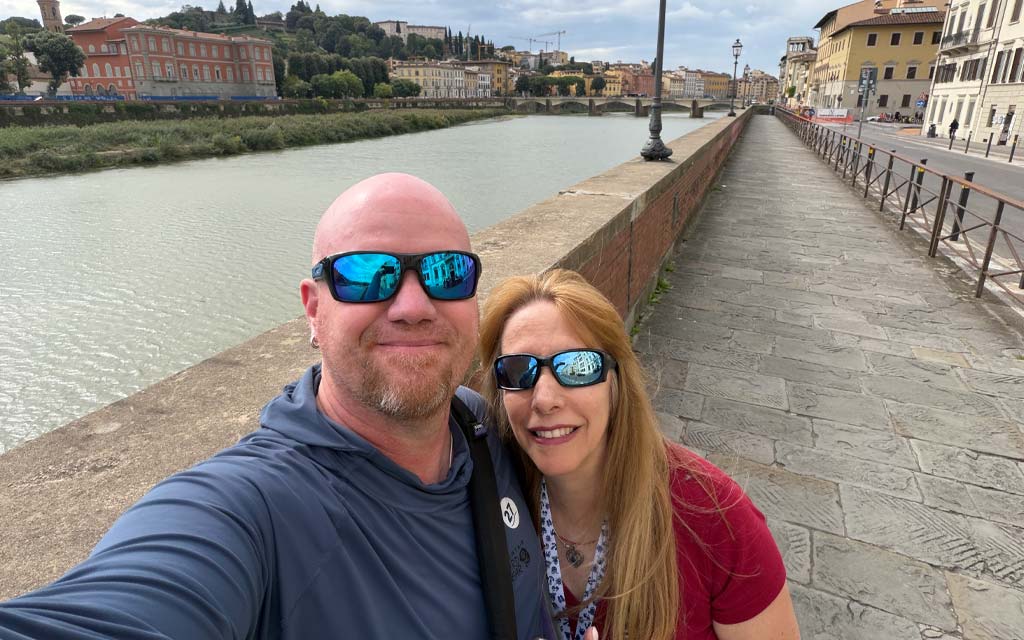
Near the Arno River

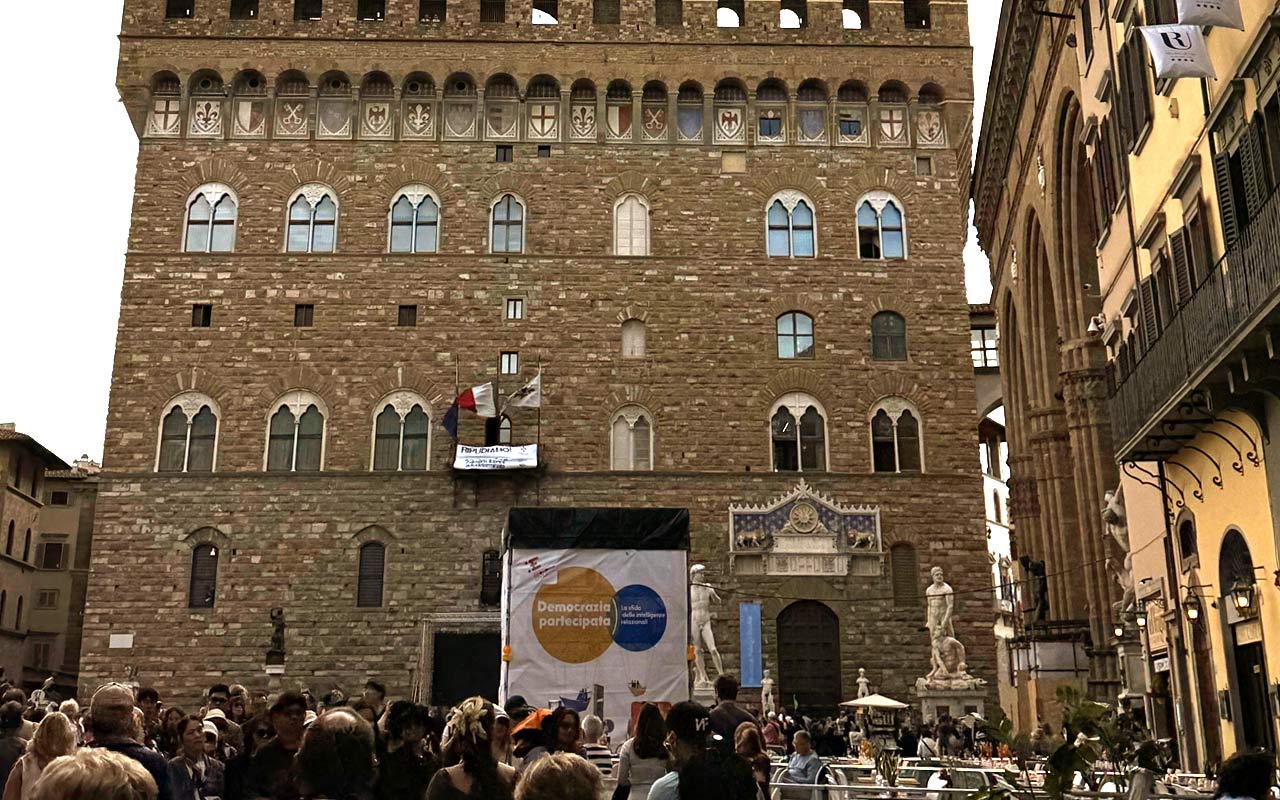
Our next cruise stop after being in Cannes was to Livorno, Italy. Taking a bus to Florence felt like stepping into a living museum of Renaissance art and power. We walked through Palazzo Vecchio, the imposing medieval town hall that still anchors the city’s political heart, and stood in Piazza della Signoria surrounded by masterpieces. There we saw the replica of David, a symbol of Florentine strength, along with Perseus with the Head of Medusa, frozen in dramatic triumph beneath the Loggia dei Lanzi. Nearby, the dramatic Hercules and Cacus was commissioned by the Medici to project strength and dominance. And beneath the Renaissance cityscape of Florence, the ancient Roman Cardo Maximus still influences the street layout today.
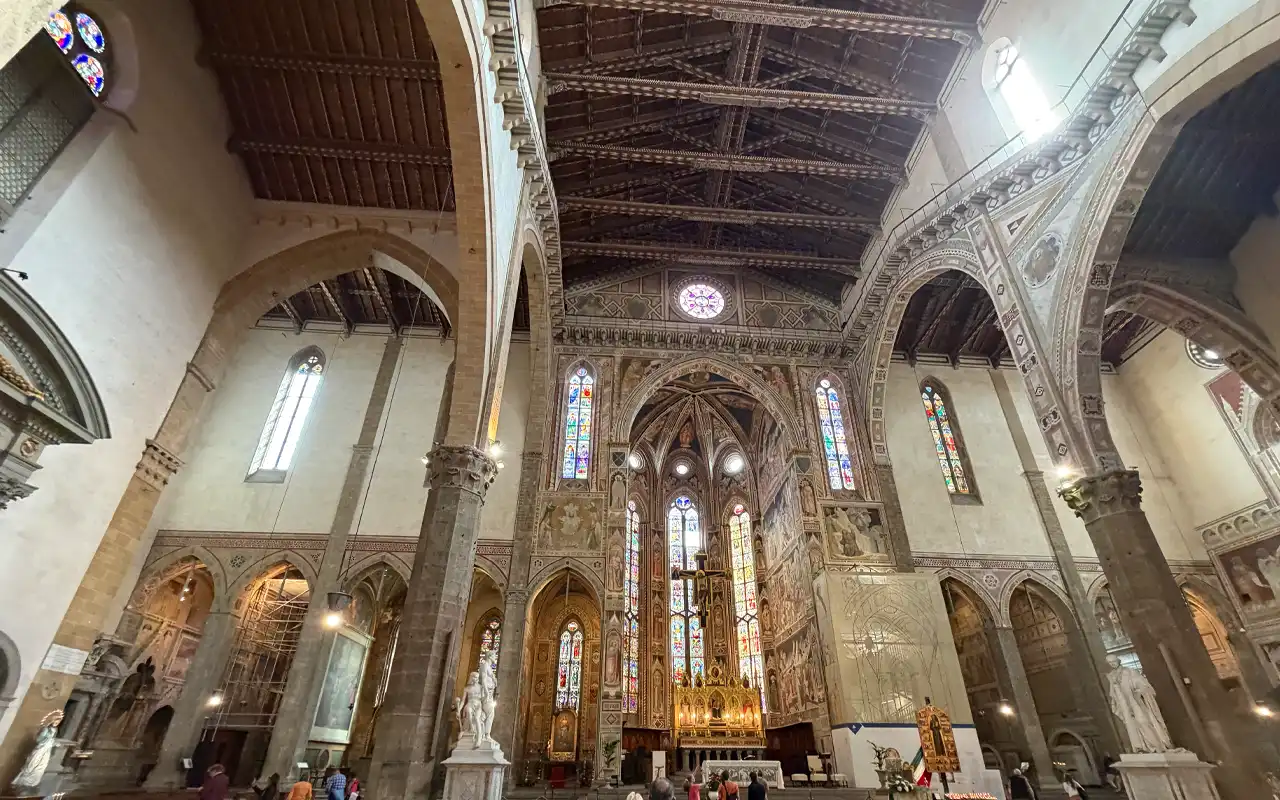
Next we walked to the Basilica of Santa Croce, where the ornate interior and magnificent frescoes create a quiet, reverent atmosphere. Known as the “Temple of the Italian Glories,” it holds the tombs of Michelangelo, Galileo Galilei, and Niccolò Machiavelli.
As we walked back toward our tour bus from the Basilica of Santa Croce, we took our time enjoying the views of Florence’s narrow streets, historic buildings, and the quiet rhythm of the city. Only later did I realize that part of our route followed the path of Florence’s ancient Roman Cardo Maximus. What felt like a simple stroll through the Renaissance city was actually a walk along a line first laid out nearly two thousand years ago, where the Roman grid of Florentia still quietly shapes the streets beneath the modern city.
Palazzo Vecchio
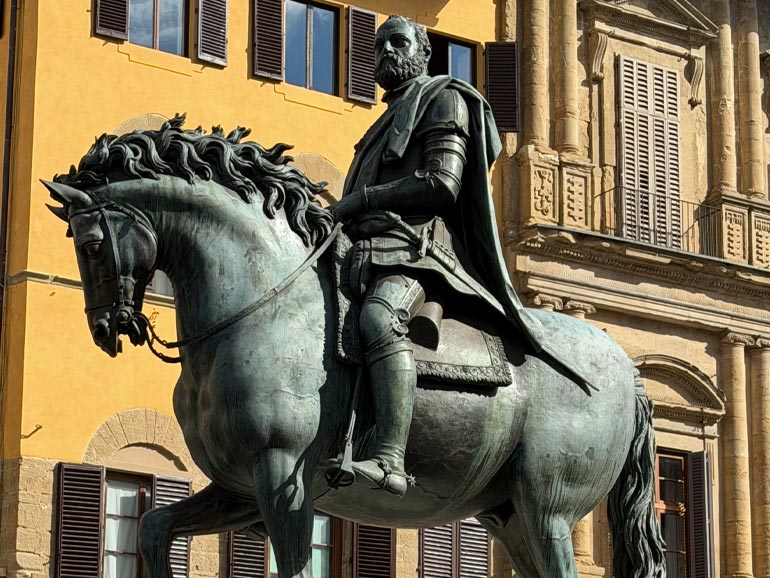
Monument of Cosimo I
Walking into the courtyard of Palazzo Vecchio feels less like entering a building and more like stepping into a political stage set in stone. Guarding the entrance is a replica of David (which I first thought was the real David statue) placed here because the original masterpiece by Michelangelo stood on this very spot beginning in 1504 until 1873 when the original was moved indoors to the Galleria dell'Accademia to protect it from weathering.
To the side stands Hercules and Cacus by Baccio Bandinelli, commissioned by the Medici Family to project brute strength and authority. Just beyond, beneath the arches of the Loggia dei Lanzi, Perseus with the Head of Medusa by Benvenuto Cellini gleams in bronze, celebrating the Greek story of Perseus triumph over Medusa. Together, these works turn the square into an open-air gallery where art, politics, and power converge in the heart of Florence.
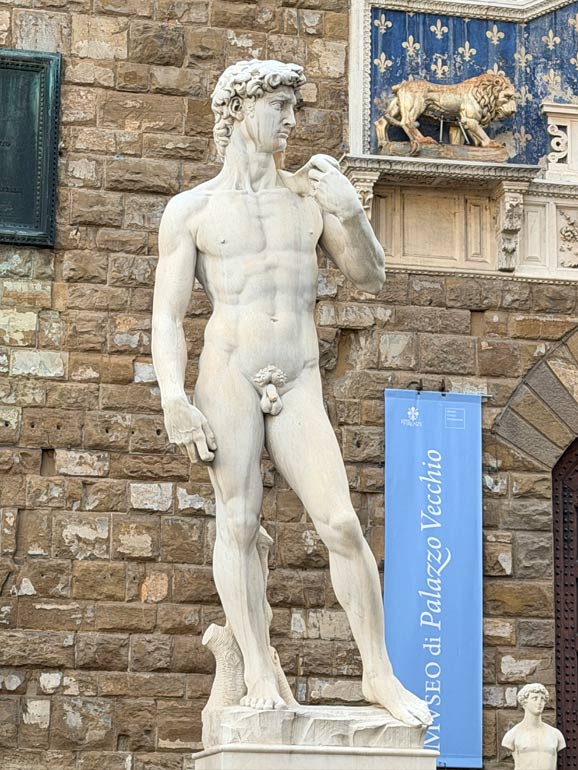
David
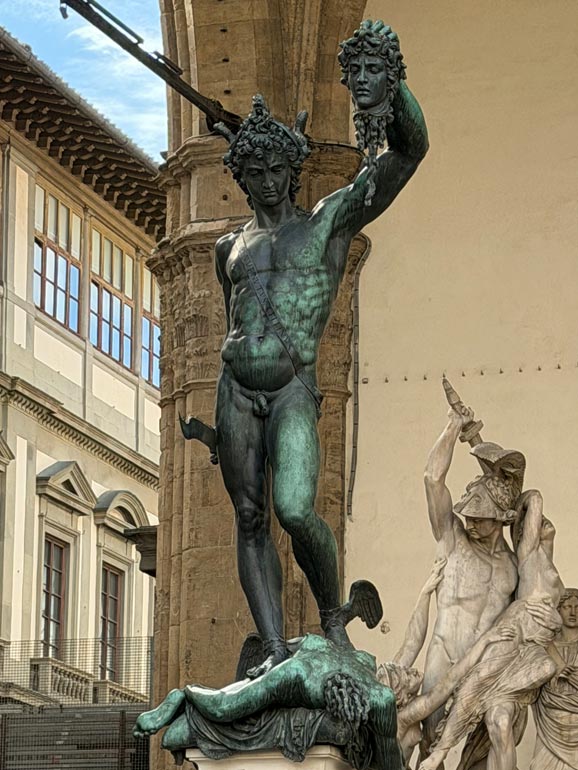
Perseus with the Head of Medusa
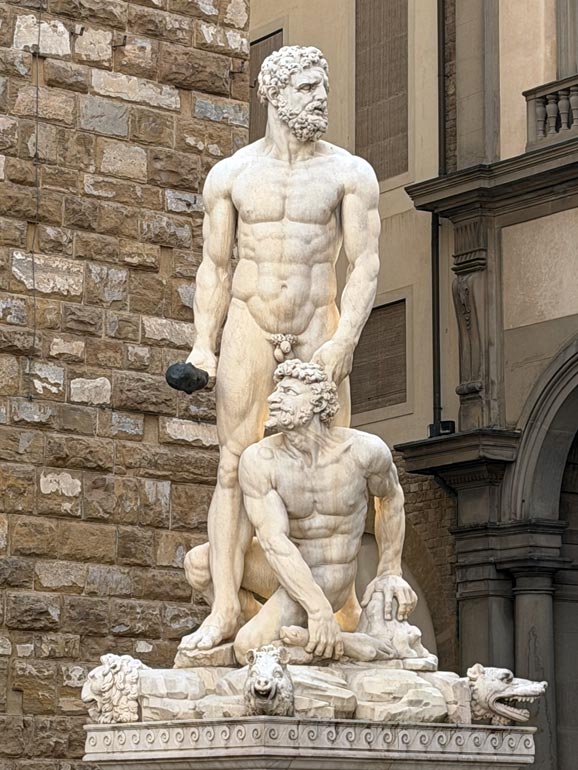
Hercules and Cacus
Accidentally Walking the Cardo Maximus in Florence
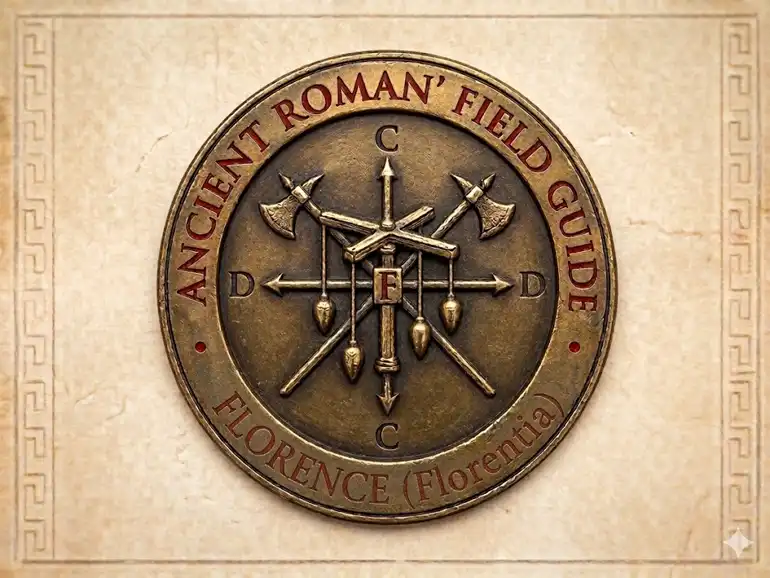
The Cardo-Decumanus Series. Original AI-Generated iconography for gordoneaton.com
While we were walking to the Piazza Santa Croce, I later realized I had unknowingly walked across Florence’s ancient Roman Cardo Maximus, now Via Calimala. I only knew this because I had started a walking workout on my watch and was later able to see our GPS route. Florence retains echoes of its Roman Cardo and Decumanus beneath the Renaissance cityscape — lines of the ancient Roman street grid still shaping the modern city.
Cardo Traveler Tip: Other cities where you can still trace the Roman street grid include Rome, Barcelona, and Split, where the Cardo Maximus still shapes the modern city.
Roman Street Grid
Ancient City: Florentia
Cardo Maximus: Via Calimala / Via Roma axis
Decumanus Maximus: Via del Corso axis
Status: Traced through modern streets
Mapped on: Cardo Maximus Map
Basilica of Santa Croce

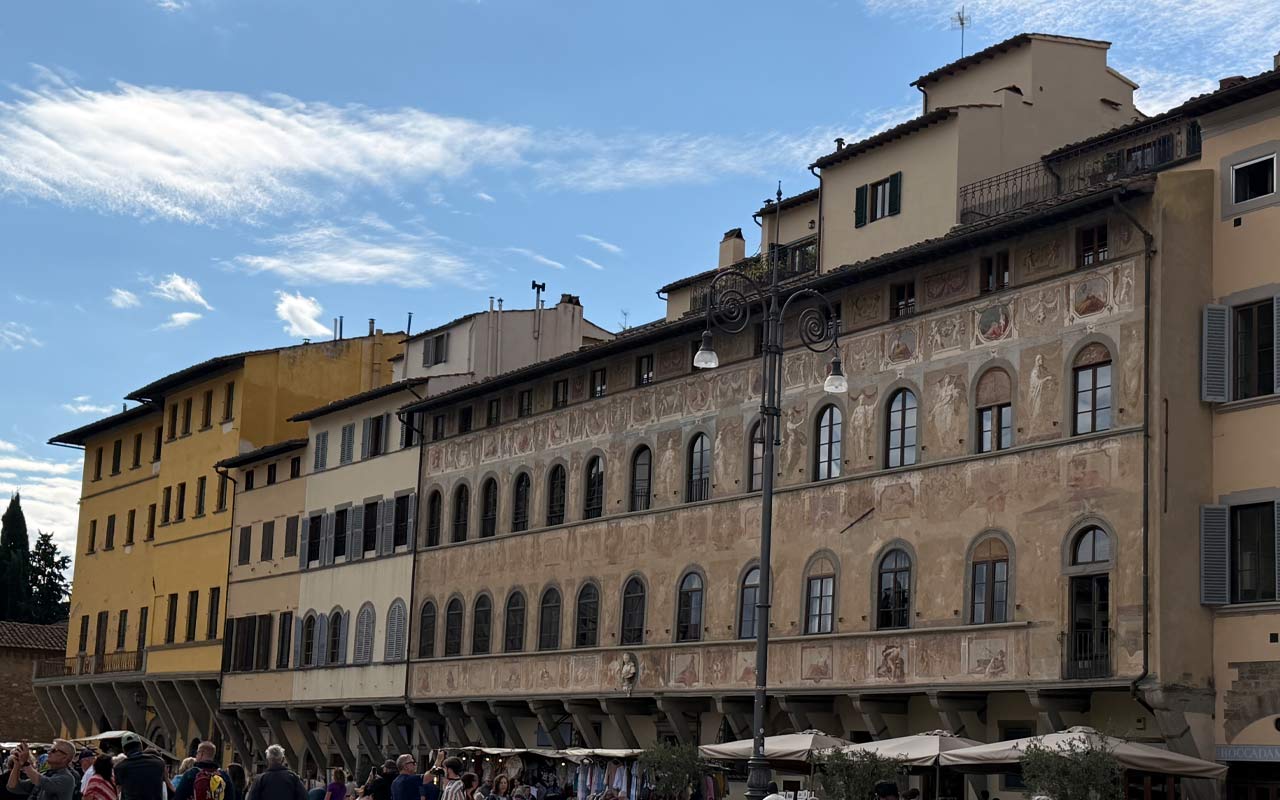
Piazza Santa Croce
Visiting the Basilica of Santa Croce feels like walking into Italy’s hall of fame, where genius is carved into marble and memory is set beneath your feet. Founded in 1294, the church was consecrated in 1442. The walls hold monumental tombs of towering figures such as Michelangelo, Galileo Galilei, and Niccolò Machiavelli, each monument blending art, allegory, and national pride. Even the floor is layered with history—intricate grave slabs marking centuries of notable Florentines, so that every step feels reverent.
Among the artistic treasures inside are works by Donatello, Giotto, Cimabue, and others whose expressive sculpture helped shape the Renaissance itself. As the principal Franciscan church of Florence, Santa Croce became the preferred burial place for many of Italy’s most celebrated minds; their presence here transformed the basilica into a sacred space not only of faith, but of cultural identity—where art, science, politics, and devotion rest side by side.
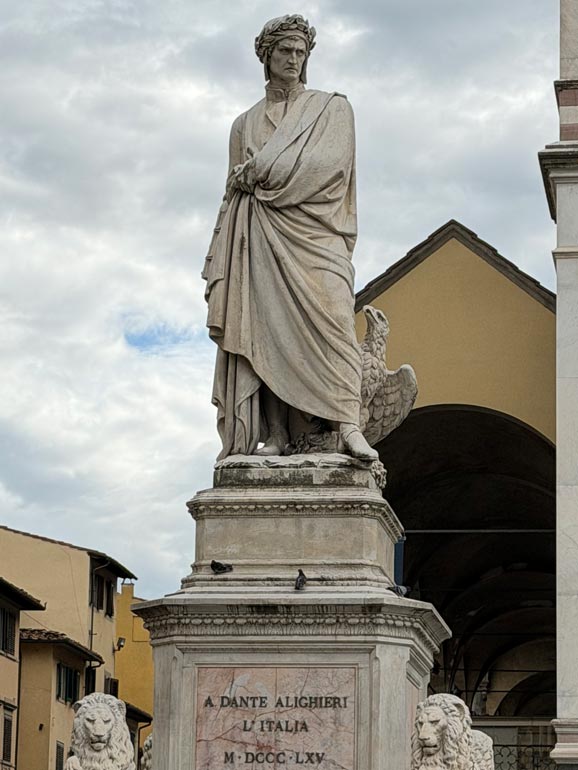
Dante Alighieri
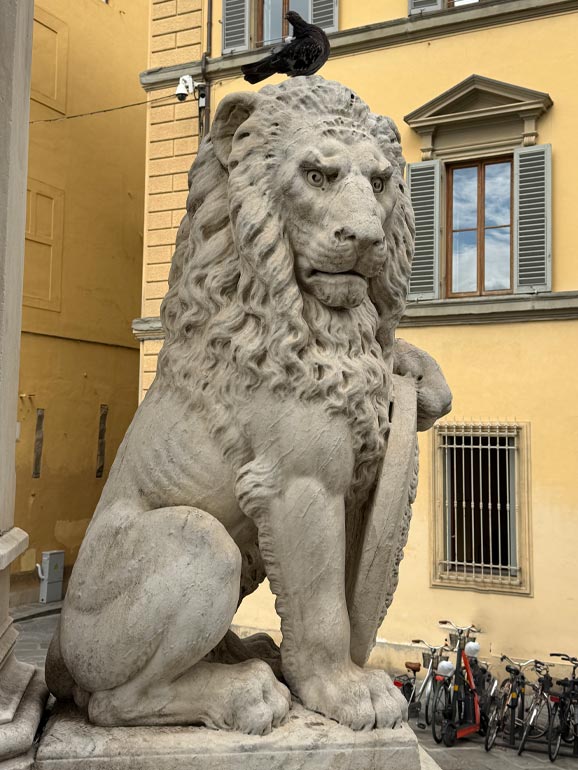
Marzocco Lions
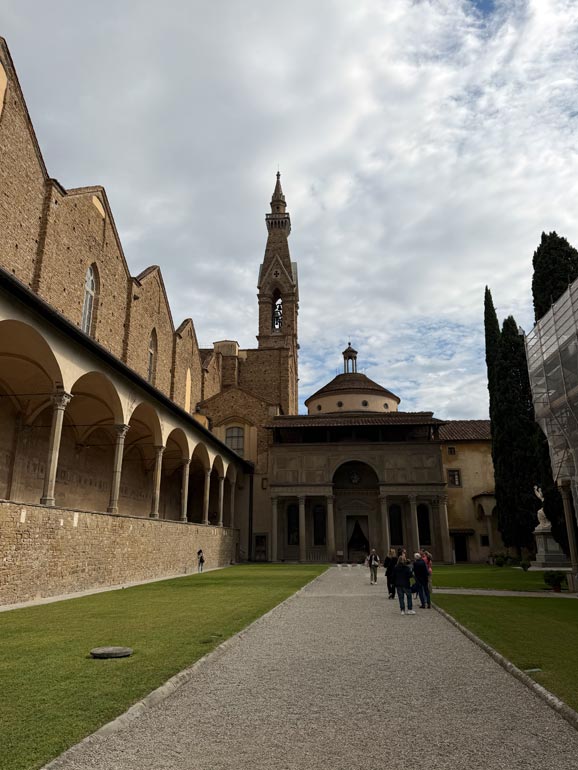
Courtyard of Basilica of Santa Croce
Interior of the Basilica of Santa Croce
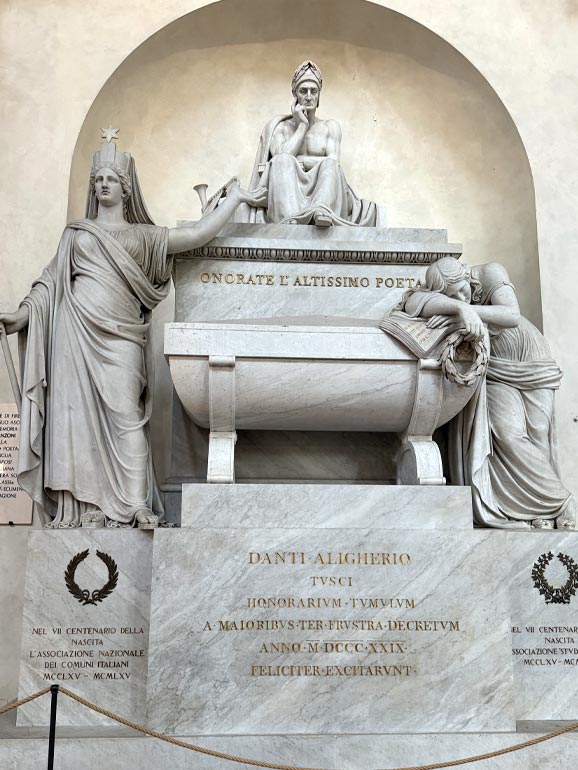
Cenotaph of Dante Alighieri
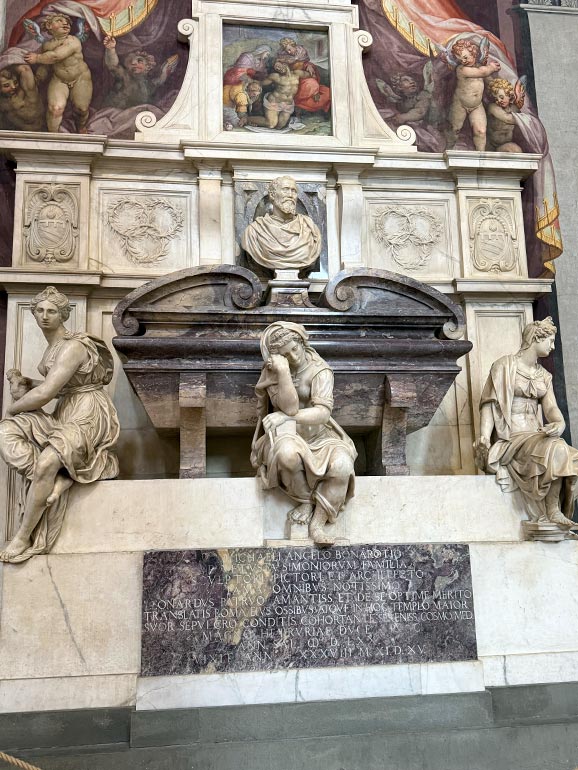
Tomb of Michelangelo
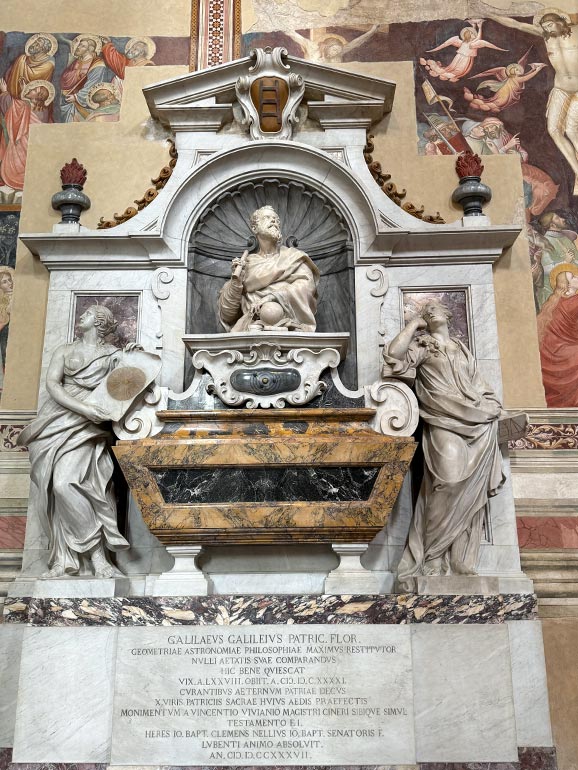
Tomb of Galileo Galilei
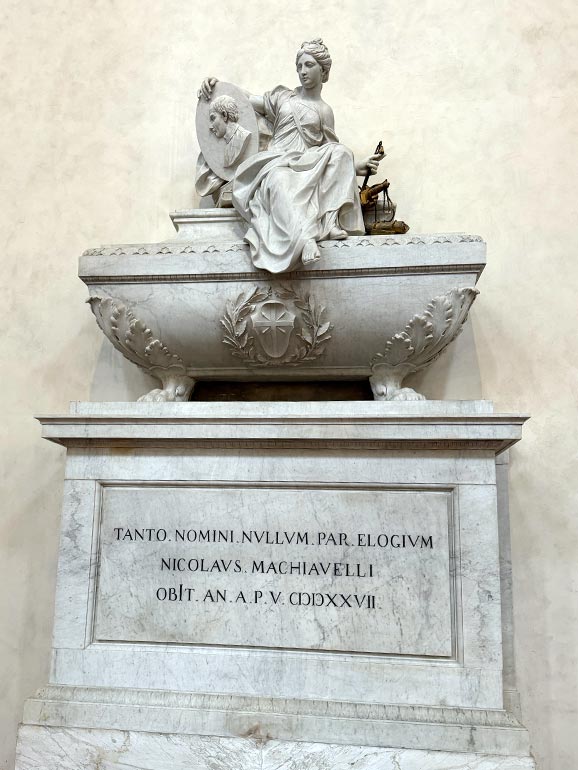
Tomb of Niccolò Machiavelli
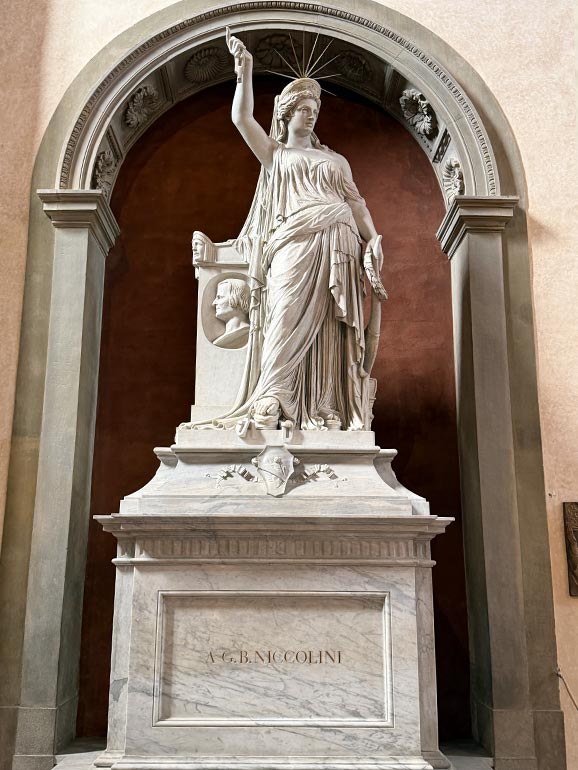
Tomb of Giovanni Battista Niccolini
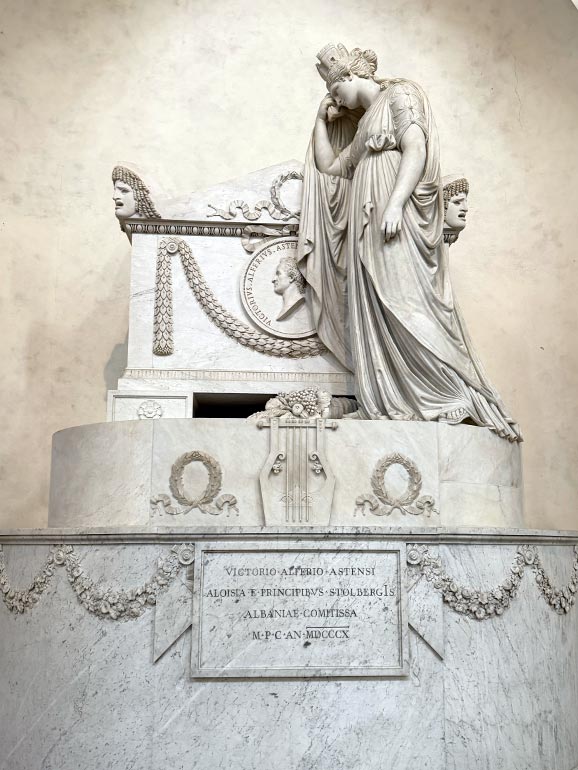
Tomb of Vittorio Alfieri
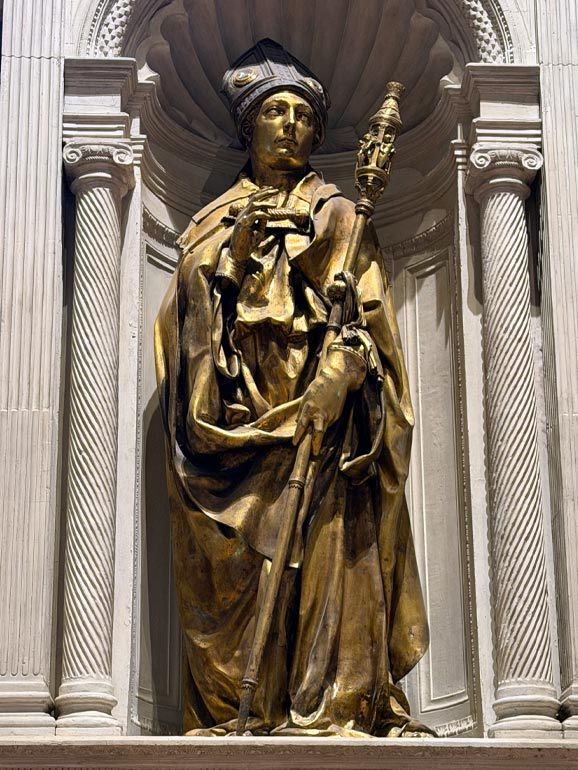
St Louis of Toulouse - Donatello
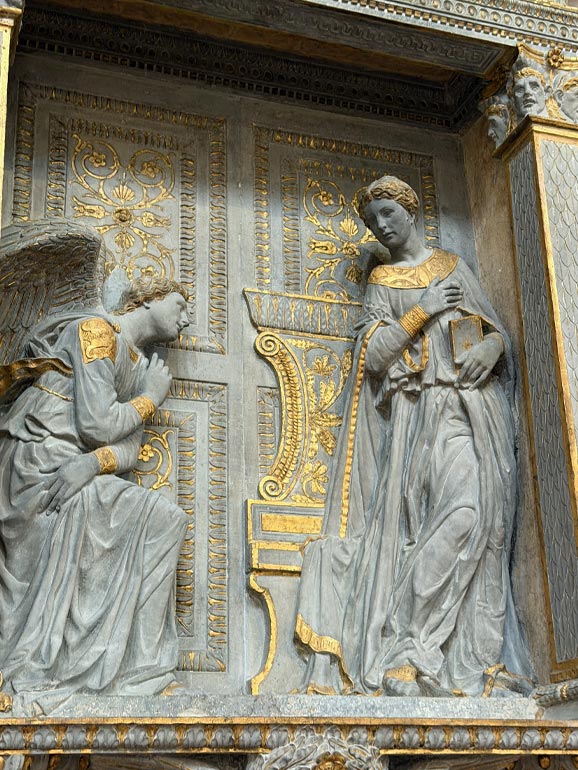
Cavalcanti Annunciation - Donatello
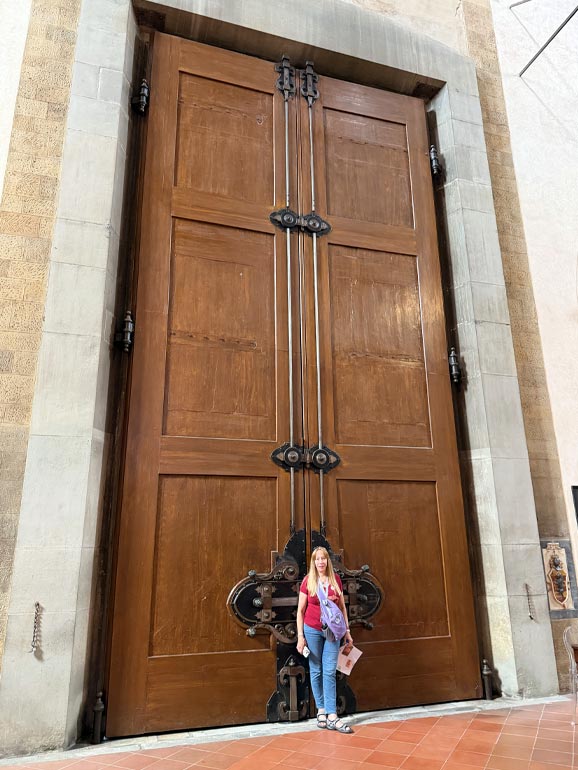
The doors of the Basilica of Santa Croce
Departing Livorno by sea on our way to Civitavecchia (Roma)
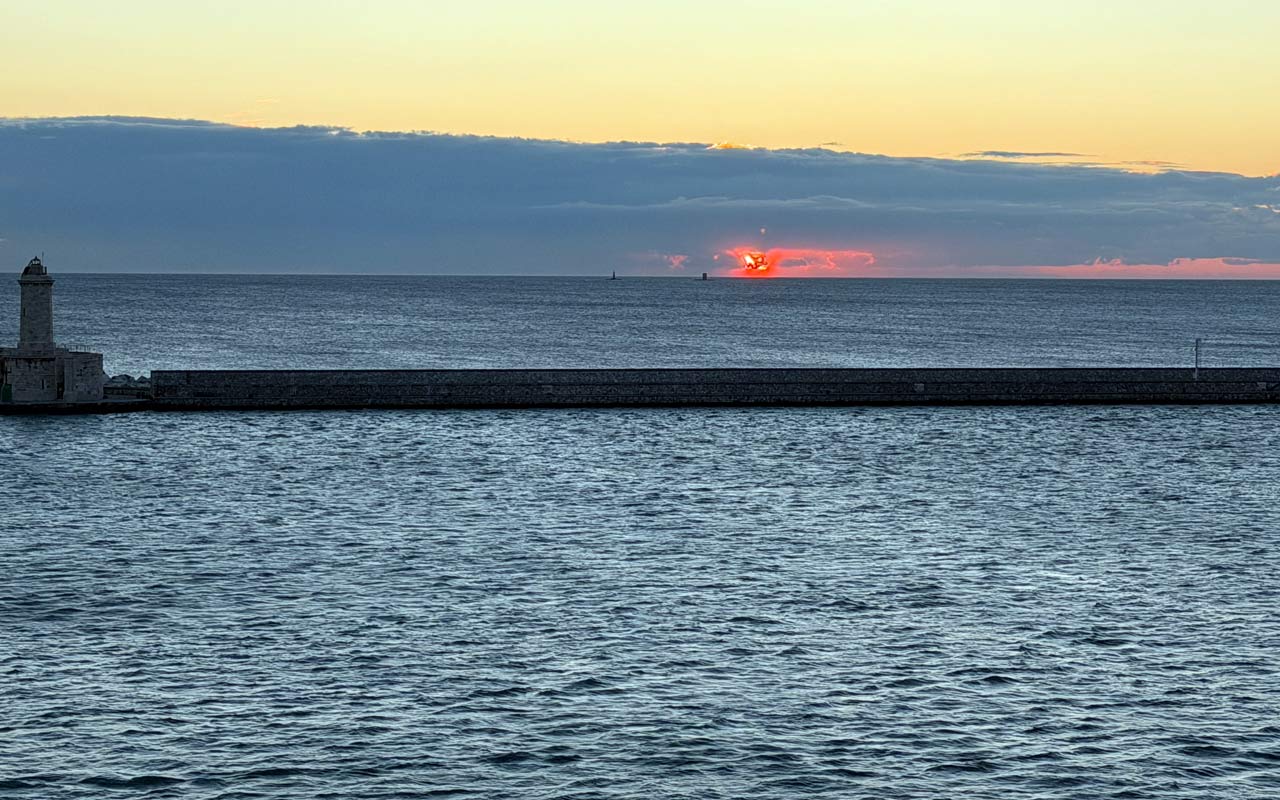
As we wrapped up our time in Florence, it was clear that this city’s story stretches from its Roman origins as Florentia — a carefully laid-out colony in the Arno valley — through centuries of civic and artistic achievement. Walking through the historic center, we visited the Basilica of Santa Croce, admired the tombs and memorials of famous Florentines, and explored the Palazzo Vecchio, where the grand halls are filled with statues and symbols of the city’s rich history. Standing amid these streets and squares, it’s impossible not to feel the imprint of centuries of planning and design.
As we left Florence behind, our journey led south to Rome, where the Roman Cardo and Decumanus await — a chance to trace the imperial streets that shaped cities across the ancient world, and to see how history literally lays the foundation for modern life.